

You’re all set to bake—oven preheated, ingredients lined up—and then it hits you. You’re out of milk. Whether the carton’s empty or you’re skipping dairy altogether, you don’t have to abandon your recipe. There are plenty of clever swaps that can keep your dish creamy, tender, and perfectly balanced. This guide to how to Rescue Your Recipe When You’re Out of Milk breaks down the best milk substitutions, when to use them, and how they’ll affect your results.
Why Milk Makes a Difference
Milk isn’t just about flavor—it plays a structural role in cooking and baking. It adds moisture, richness, and helps bind ingredients together. It also contributes to browning and softness in baked goods. When you know why milk matters, it’s easier to find the right milk substitutions to match what your recipe needs most—whether that’s creaminess, tang, or a neutral base.

The Best Milk Substitutions for Cooking and Baking
Here are the most reliable milk swaps to keep your recipe on track, no matter what’s in your fridge.
1. Heavy Cream
If you’ve got heavy cream, you’re in luck. It’s one of the closest substitutes for whole milk when thinned out. Mix equal parts heavy cream and water to create a milk-like consistency. It adds luxurious richness to sauces, soups, and mashed potatoes—just expect a creamier result.
2. Evaporated Milk
Evaporated milk works beautifully in baked dishes, custards (like you might find in a bread pudding), and casseroles. Since it’s thicker and more concentrated than regular milk, simply dilute it with an equal amount of water before using. It gives a smooth, slightly caramelized flavor that enhances both sweet and savory recipes.
3. Sour Cream or Yogurt
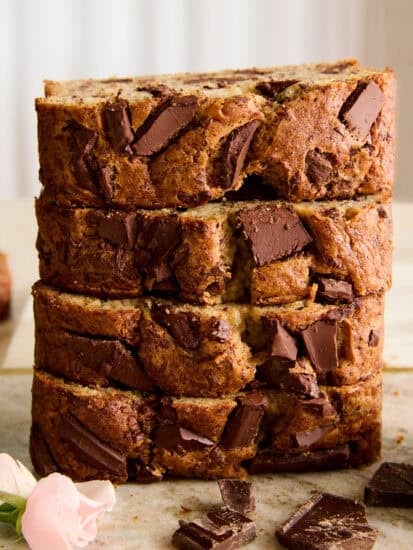
Need milk for pancakes, muffins, or quick breads? Use sour cream or plain yogurt. We use sour cream in our banana bread and yogurt in our copycat Starbucks blueberry muffins. They bring moisture and a light tang that keeps baked goods tender. For every cup of milk, use about ¾ cup sour cream or yogurt mixed with a few tablespoons of water.
4. Coconut Milk
For a creamy, tropical twist, coconut milk is your best bet. The canned version adds a silky texture and subtle coconut flavor to soups, curries, and desserts (we love it in our peaches and strawberry fruit ice cream). If you prefer something lighter, use the carton variety—it’s closer in thickness to dairy milk.
5. Almond Milk
Almond milk is an easy one-to-one substitute, especially for those avoiding lactose. It has a mild nuttiness that pairs well with sweet recipes like pancakes, custards, and even ice cream bases. It’s a go-to for us when we need a dairy alternative for our Crockpot French toast casserole! Just be sure to use the unsweetened kind so you can control the flavor balance.
6. Oat Milk
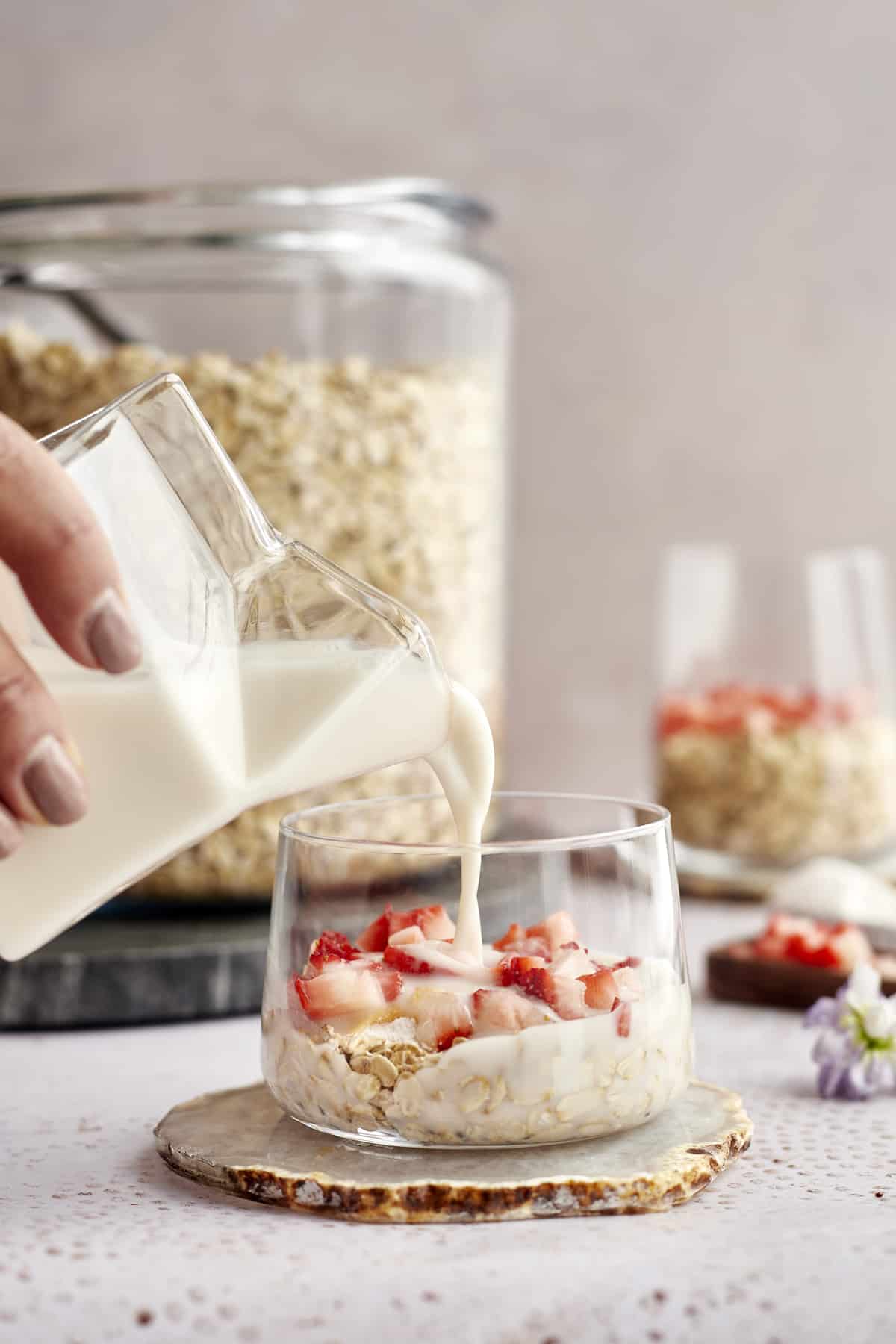
If you’re looking for a creamy, dairy-free option that behaves most like milk, oat milk is a top pick. It’s slightly sweet, smooth, and perfect for both cooking and baking. Plus, it’s a great choice for anyone with lactose intolerance. We think it’s the perfect addition to tiramisu chia seed pudding.
7. Soy Milk
Soy milk has a similar protein structure to dairy milk, making it one of the most versatile plant-based substitutes. It holds up well under heat, so it’s ideal for sauces, soups, and casseroles. Choose unsweetened soy milk for savory recipes and sweetened if you’re baking. We love it in our Mahalabia (Middle Eastern milk pudding).
8. Cream Cheese
For creamy casseroles (like one pot mac and cheese) or other pasta sauces, cream cheese can be used in place of milk. Combine it with melted butter or starchy pasta water to thin it out a bit. It’s not a perfect one-for-one swap, but it adds creaminess and even gives a tangy boost of flavor.

Sweetened and Whole Milk Replacements
When a recipe calls specifically for whole milk or sweetened condensed milk, here’s how to improvise:
- Whole milk: Combine a half cup of heavy cream with a half cup water.
- Sweetened condensed milk: Mix 1 cup evaporated milk with 1 ½ cups sugar and heat gently until dissolved. Let it cool before using in desserts or baking.
These swaps preserve rich character that certain recipes—like pies or puddings—depend on.
How to Choose the Right Milk Substitutions
Think about what role milk plays in your recipe before you swap it out.
- For creamy soups, sauces, and mashed potatoes: Use heavy cream, soy milk, or evaporated milk.
- For cakes, muffins, and breads: Try oat milk, almond milk, or yogurt.
- For desserts like puddings or ice cream: Coconut milk creates a smooth, luscious texture with a hint of tropical flavor.
If you’re sensitive to lactose or avoiding dairy, plant-based milks like almond, soy, and oat make it easy to keep your recipes just as creamy and satisfying.
Tips for Perfect Substitutions
- Choose unsweetened varieties when cooking savory dishes.
- Warm or whisk your substitute before adding it to prevent curdling in hot recipes.
- Expect small flavor differences—some substitutes have a nuttier or slightly sour note, which can actually enhance certain recipes!











I love your recipes and site. My sister and I look like twins like both of you.. we are from Lebanese backgrounds. I do have a Q. Where can I get that fab citrus squeezer you use on your videos? So much better than the other type which I do have..(the yellow one)
Hi Margaret,
Thank you so much! You gave us all the smiles with your comment! You can find the juicer here: https://rstyle.me/+klyXNi8fsks9Tx4qPT9LBQ
xo,
Alia & Radwa
Thank you this was very helpful. I am going to try your suggestions.
Hi Carol,
We’re so glad it was helpful! Let us know how it goes!
xo,
Alia & Radwa