
Baking without eggs? That’s totally doable — and once you understand why eggs function the way they do, the substitutions make more sense. Let’s walk through egg substitutes for baking/binding and see which ones shine in different kinds of recipes for How to Substitute for Eggs.
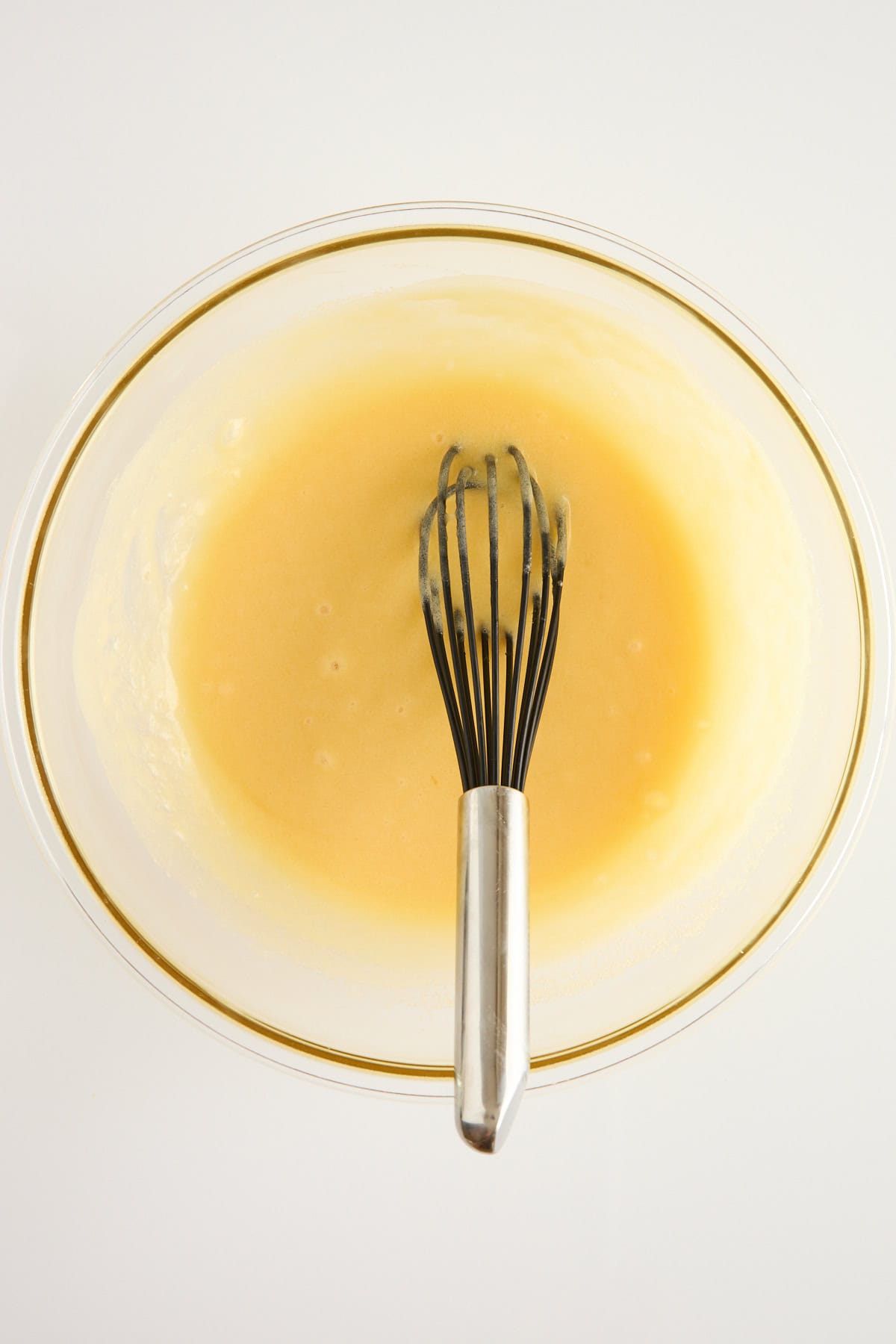
Why Eggs Matter In Baking & Binding
Before substituting for eggs, it helps to know what they do. In many recipes, eggs serve several roles:
- Binding: They help wet and dry ingredients cling together (e.g. in cookies, muffins)
- Moisture: Eggs add richness and a silky texture
- Leavening/structure: Beaten eggs or their proteins help trap air and give lift
- Emulsifying: They help fat and liquid combine, preventing separation
When you remove eggs, you need substitutes that replicate one or more of those functions. A replacement might bind well but not help with rise, or vice versa. The trick is matching the substitution to the recipe type.
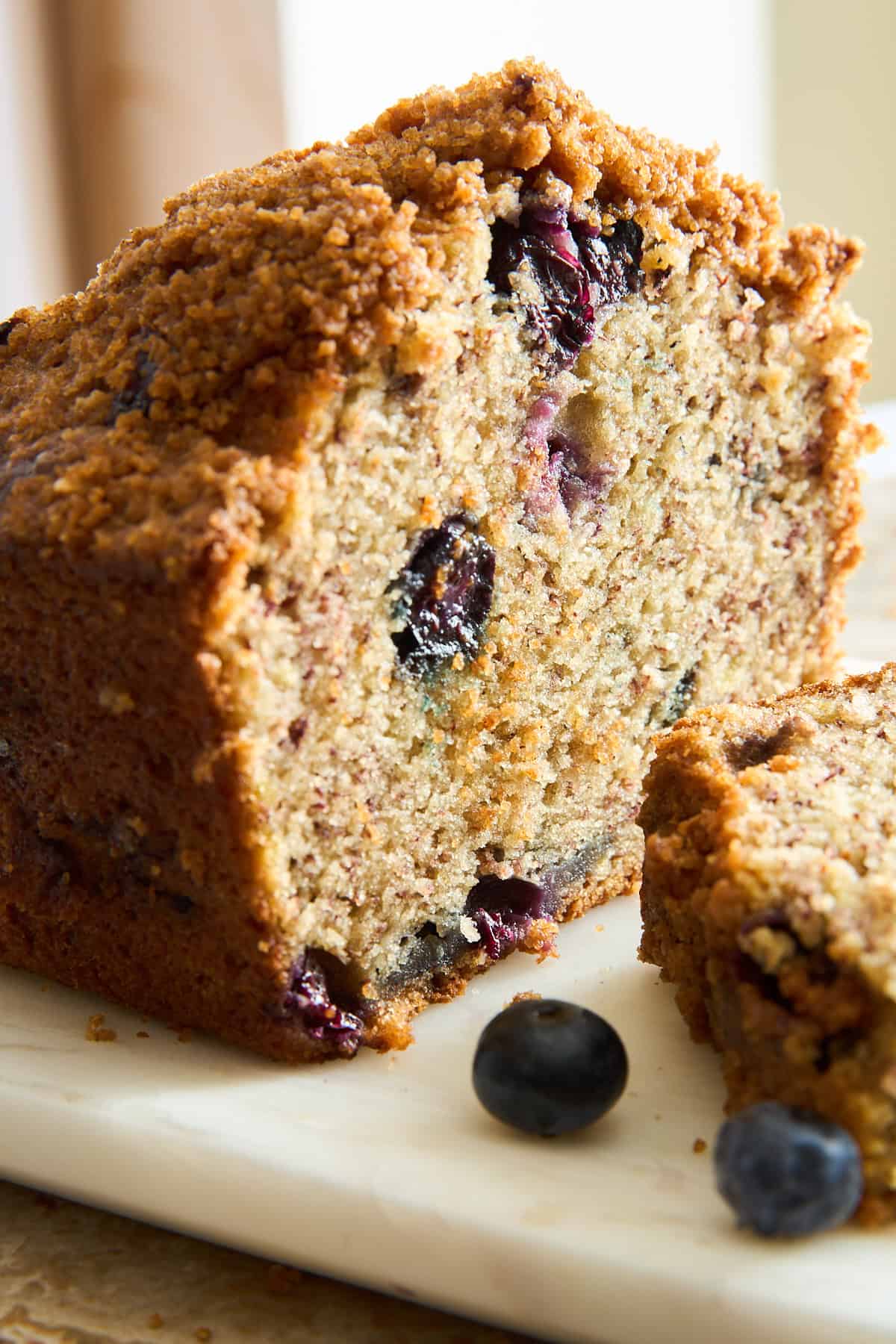
How to Choose Egg Substitutes
Here are key tips:
- Know the role: In a dense muffin, binding and moisture are more important. In a sponge cake, rise and structure matter more.
- Test substitutions gradually: Replace one egg first before overhauling the entire recipe.
- Balance texture and flavor: Some options (like banana or applesauce) add taste and color; others are more neutral.
- Watch ratios: Many replacements require different volumes than eggs; 1:1 isn’t always the ratio you’ll need.
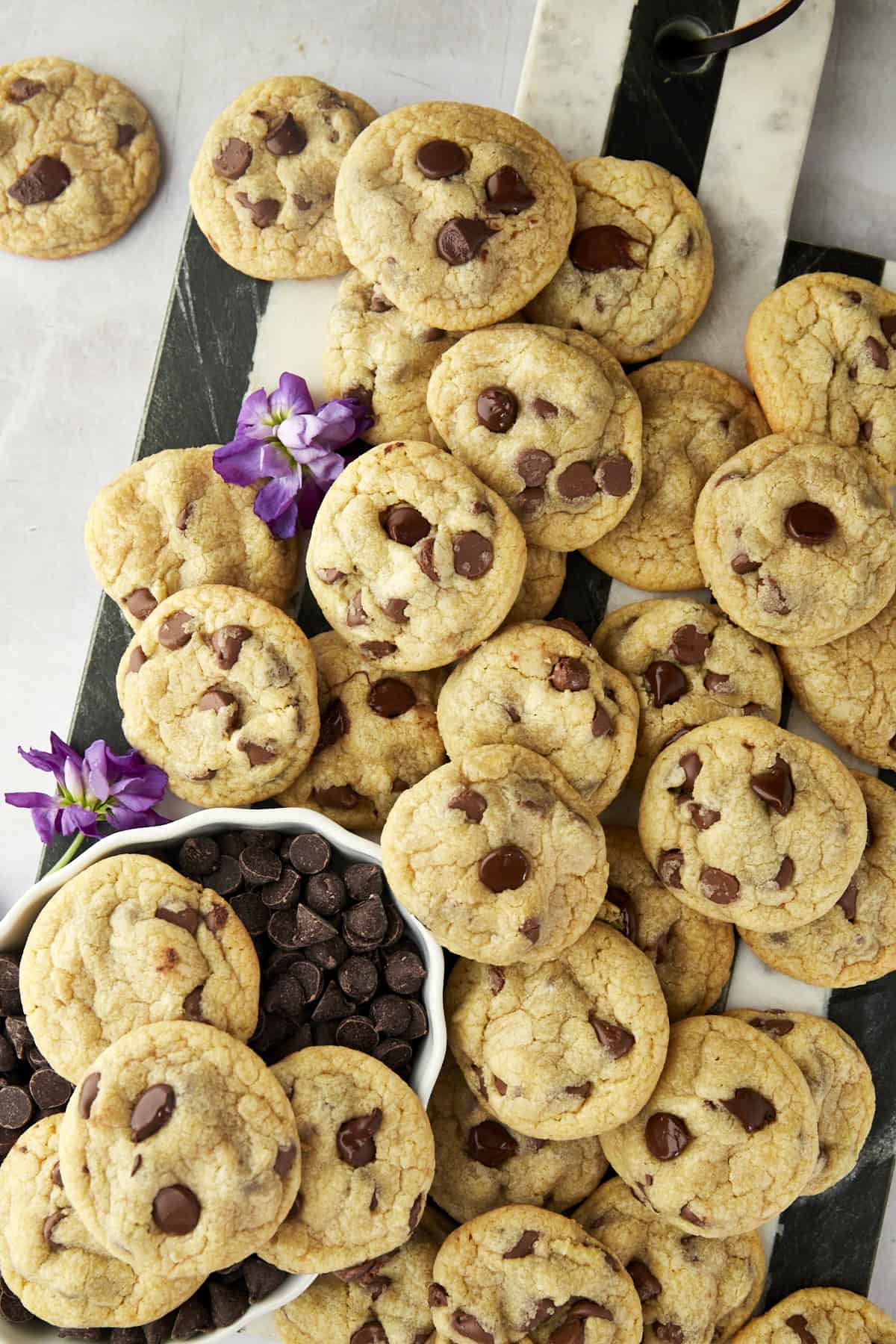
Top Substitutes for Eggs for Binding & Baking
Below is a list of reliable substitutes. Use the ones that suit your recipe style.
| Substitute | Approximate Equivalent | Best For | Notes & Tips |
| Ground flaxseed (“flax egg”) | 1 Tbsp ground flax + 3 Tbsp water = 1 egg | Cookies, muffins, quick breads | Mix and let sit for about 5–10 minutes until gelled. Adds a mild nutty flavor. |
| Chia seed “egg” | 1 Tbsp chia seeds + 3 Tbsp water = 1 egg | Similar to flax. | Similar trick to flax. |
| Applesauce (unsweetened) | ¼ cup = 1 egg | Muffins, brownies, cakes | Leaves banana flavor; can make the texture more tight. |
| Mashed banana | ½ medium banana (¼ cup) = 1 egg | Banana breads, muffins | Leaves banana flavor; can make texture more tight. |
| Silken tofu | ¼ cup (pureed) = 1 egg | Brownies, dense cakes, custard-style bakes | Blend super smooth to avoid chunks. It’s fairly neutral in terms of flavor. |
| Yogurt / Buttermilk | ¼ cup = 1 egg | Cakes, muffins | The acid-base reaction yields lift. Works best when the recipe has little rise to begin with. |
| Vinegar + baking soda | 1 Tbsp vinegar + 1 tsp baking soda = 1 egg | Light cakes, quick breads | as per the package |
| Oil + water + baking powder | 1½ Tbsp oil + 1½ Tbsp water + 1 tsp baking powder = 1 egg | Many baked goods | Good for recipes relying on eggs for lift. |
| Aquafaba (chickpea liquid) | 3 Tbsp = 1 egg (or 2 Tbsp for 1 egg white) | Meringues, mousse, cakes, macarons | Whips up like egg whites in many cases. |
| Commercial egg replacer powders | Per the package directions. | General baking | Works across many bakes; convenient if you keep it in pantry. |
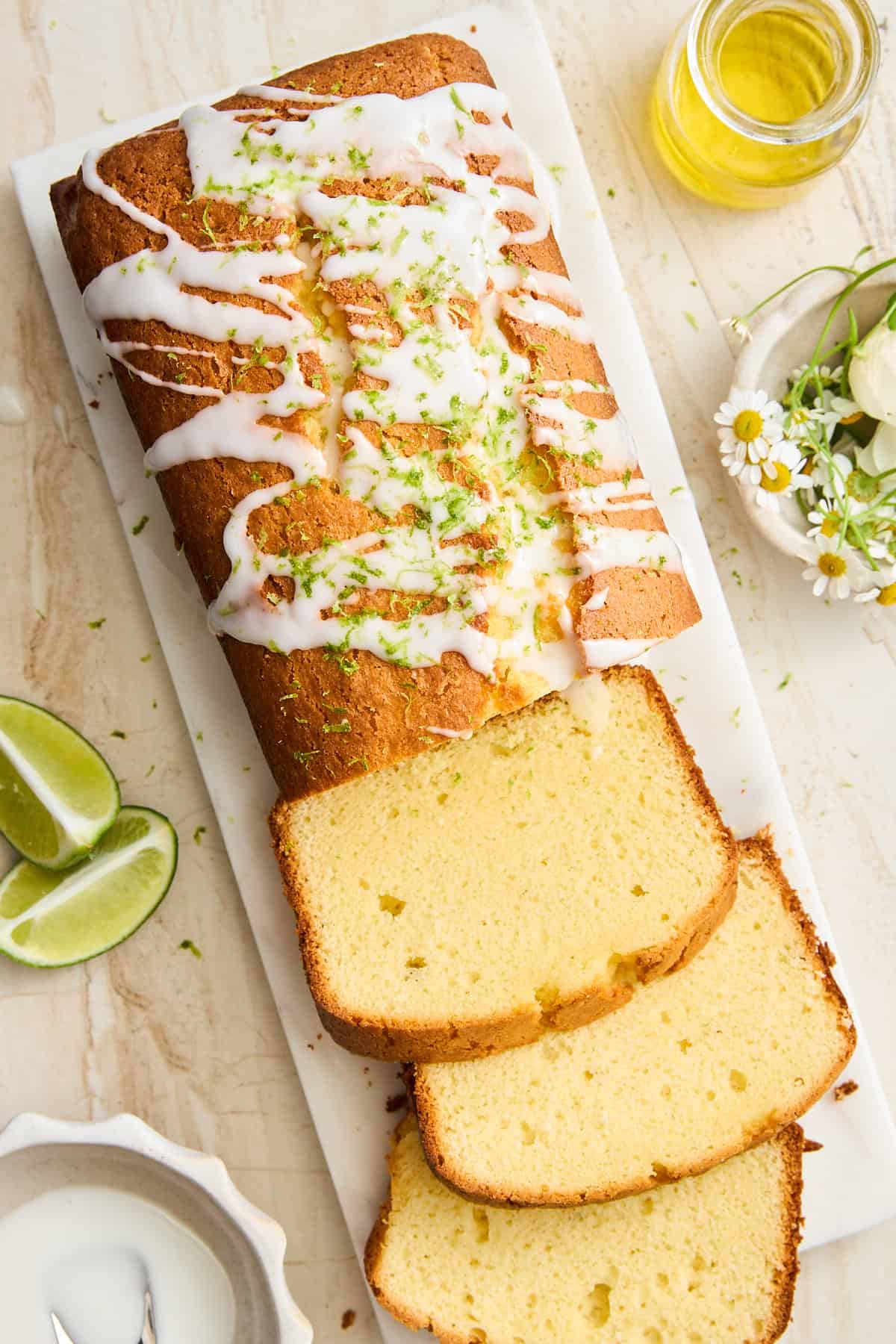
Ingredients To Keep On Hand For Egg-Free Baking
If you bake often, it’s smart to stock a few of these:
- Ground flaxseed or chia seed
- Unsweetened applesauce
- Silken tofu
- A can of chickpeas (for aquafaba)
- Baking soda and vinegar
- Vegan yogurt or buttermilk
- Commercial egg replacer powder
Having a few options means flexibility. Some days you want neutral, other days you don’t mind a hint of banana or mild tang.
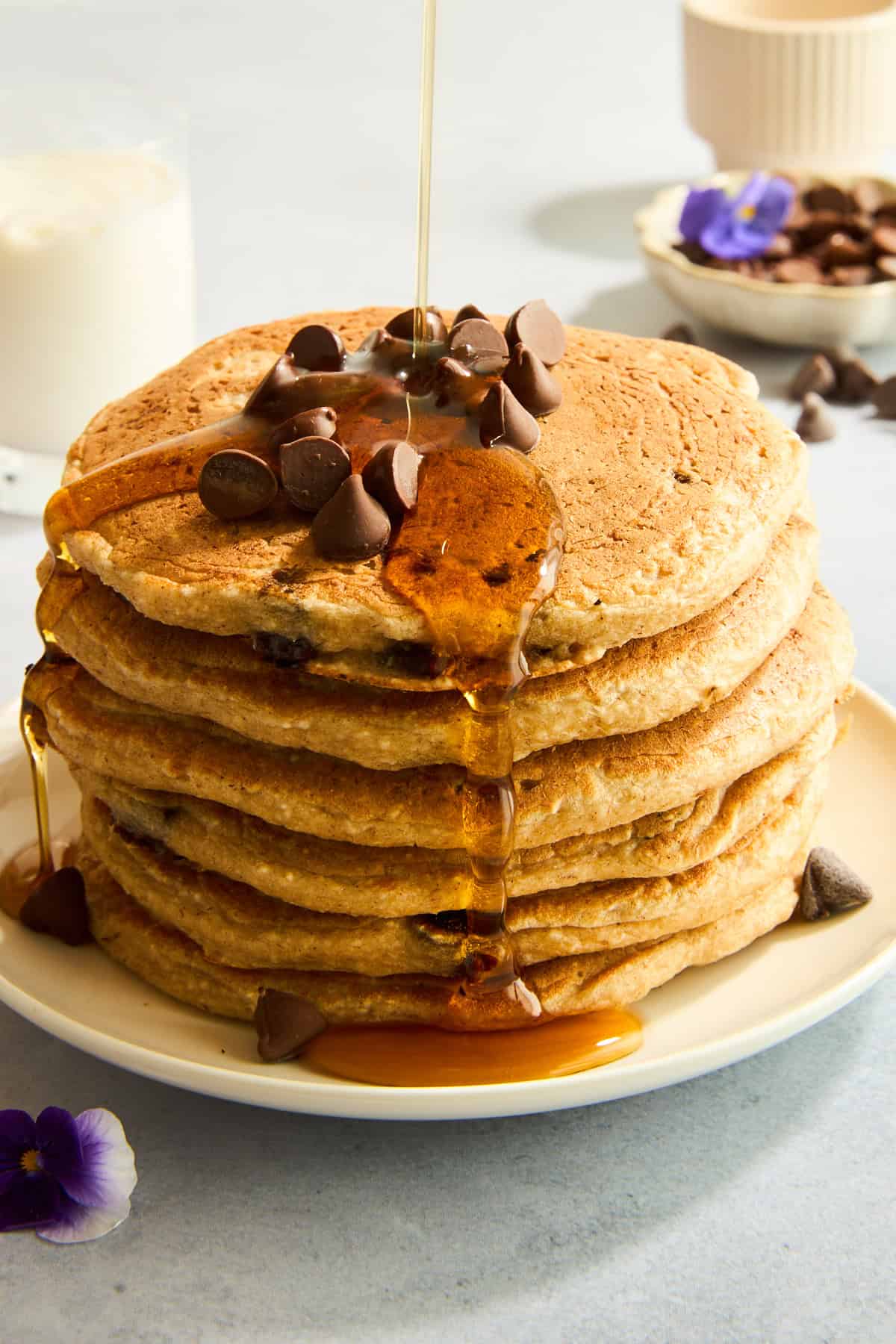
How to Swap In Your Favorite Egg Substitutes
Here’s a little “cheat sheet” when adapting your recipes:
- Start by replacing one egg and see how the texture and flavor shift.
- In lighter cakes or soufflés, avoid dense substitutes like banana.
- If you use a moist substitute (applesauce, tofu), you might reduce other liquids a bit.
- If you use a rise-based substitute (like vinegar + baking soda or oil + baking powder), ensure other leavening is balanced.
- For binding in savory items (like veggie burgers or meatloaf), flax, chia, or even mashed beans can work.

When Substitutions Don’t Work Well
There are scenarios where egg replacement is extremely difficult or impractical:
- Classic soufflés, meringues, or angel food cakes heavily depend on egg structure and the ability to whip whites to stiff peaks.
- Custards, creme brûlée, or flan rely on eggs for a set texture under gentle heat — replacing eggs often fails here.
- Some chiffon cakes or rolled sponge cakes rely heavily on beaten eggs to build height and spring.
In those cases, it’s often better to use a recipe designed for egg-free baking than try to convert a fully egg-based one.
What Works Best?
There’s no one-size-fits-all best option — the “ideal” substitute depends on:
- The role of eggs in the recipe (binding, rise, moisture)
- The flavor profile you’d like (neutral or slightly fruity/earthy)
- The texture you hope to achieve (light, dense, chewy)
Recipe Ideas
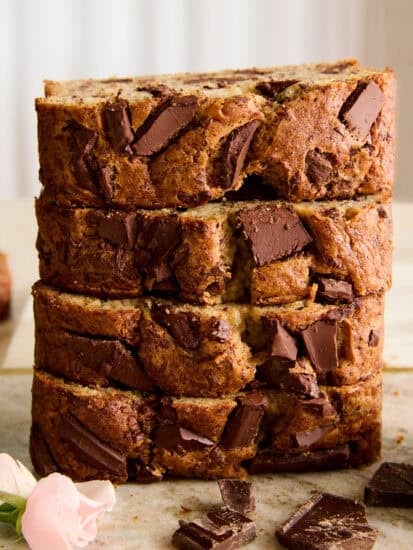
From chocolate chip cookies to quick breads, there’s no shortage of recipes you can switch up with an egg substitute. Here are a few of our favorites to experiment with!