If you’ve ever lifted the lid on a pot of rice and found a sticky, clumpy mass instead of fluffy grains, this is the guide for you! Knowing How to Fix Gummy Rice can save dinner—and your sanity. Gummy rice happens fast, but the good news is that in many cases, it’s fixable.
What is Gummy Rice?
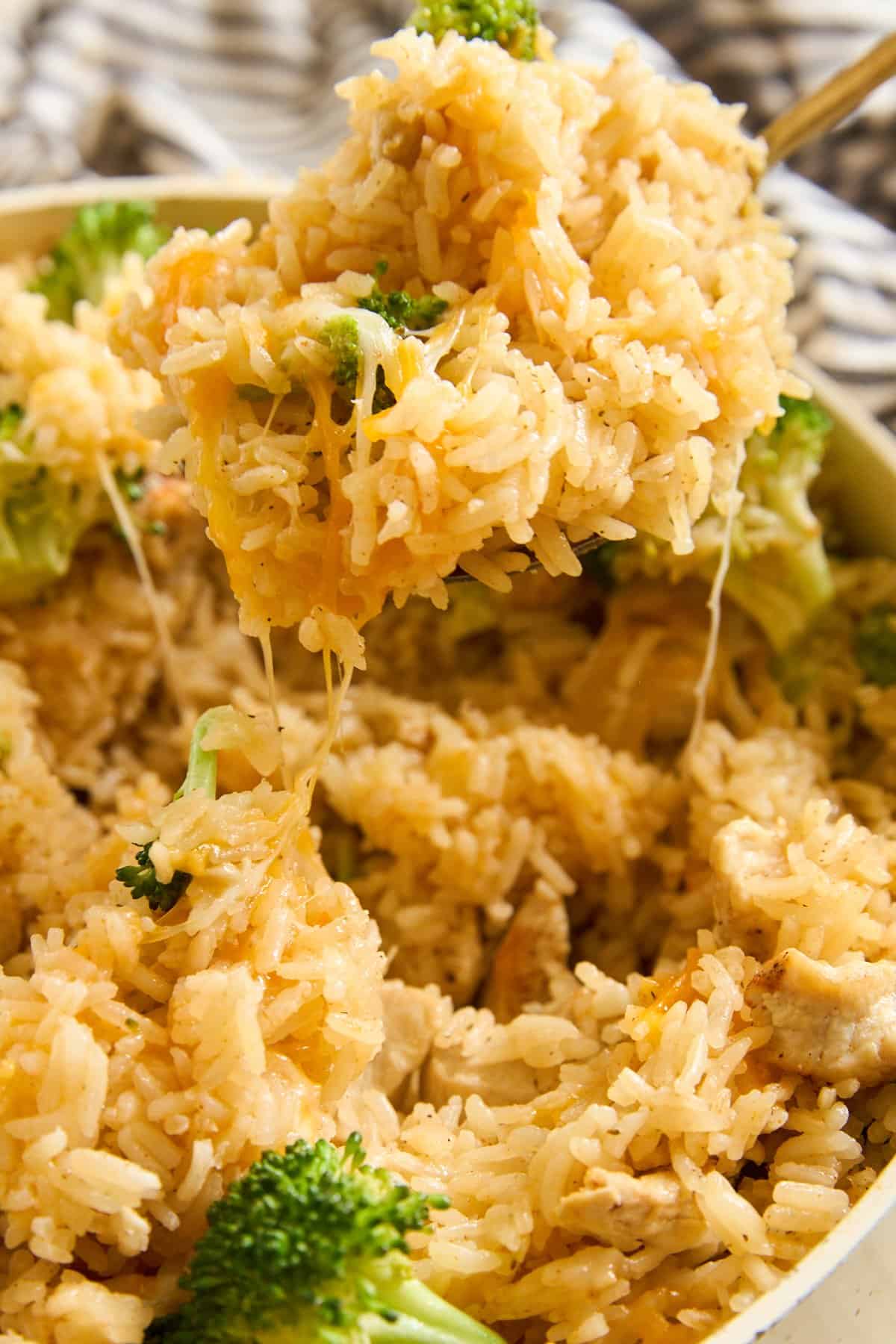
Gummy rice is rice that has released too much starch during cooking. Instead of separate, tender grains, the rice sticks together and takes on a gluey, pasty, or mushy texture. While some dishes (like risotto or rice pudding) rely on starch, most everyday rice dishes don’t.
This texture issue can happen with white rice, brown rice, jasmine rice, or basmati rice. The cause usually comes down to technique rather than the rice itself, which means small tweaks can make a big difference.
Why Rice Turns Gummy
Understanding the problem is the first step in learning how to fix gummy rice.
Too much stirring releases surface starch into the cooking water, while excess water causes grains to absorb more moisture than they can handle, which leads to bursting and starch release. Skipping the rinse before cooking leaves loose starch on the surface of the rice, which can cause clumping. Meanwhile, overcooking pushes rice past tender into swollen and sticky territory. Finally, using the wrong rice for the dish also plays a role—short-grain rice is naturally higher in starch and behaves very differently from long-grain varieties.

How to Fix Gummy Rice After It’s Cooked
If your rice is already gummy, don’t toss it just yet. These methods can improve texture and make it usable.
If the rice is waterlogged, drain it in a fine-mesh strainer and let excess moisture escape. Spreading it on a baking sheet allows steam to release quickly, helping the grains firm up. You can also pop the baking sheet in an oven at 350 degrees Fahrenheit to help bring it back to life.
For rice that’s slightly sticky but not soaked, return it to a dry pot over low heat and leave it uncovered. Use a wooden spoon to stir it gently once or twice to release steam without breaking the grains. This evaporates extra moisture and improves texture.
If the rice is severely gummy, a quick rinse under warm water can wash away surface starch. This works best when the rice will be used in fried rice, soups, or casseroles rather than served plain.
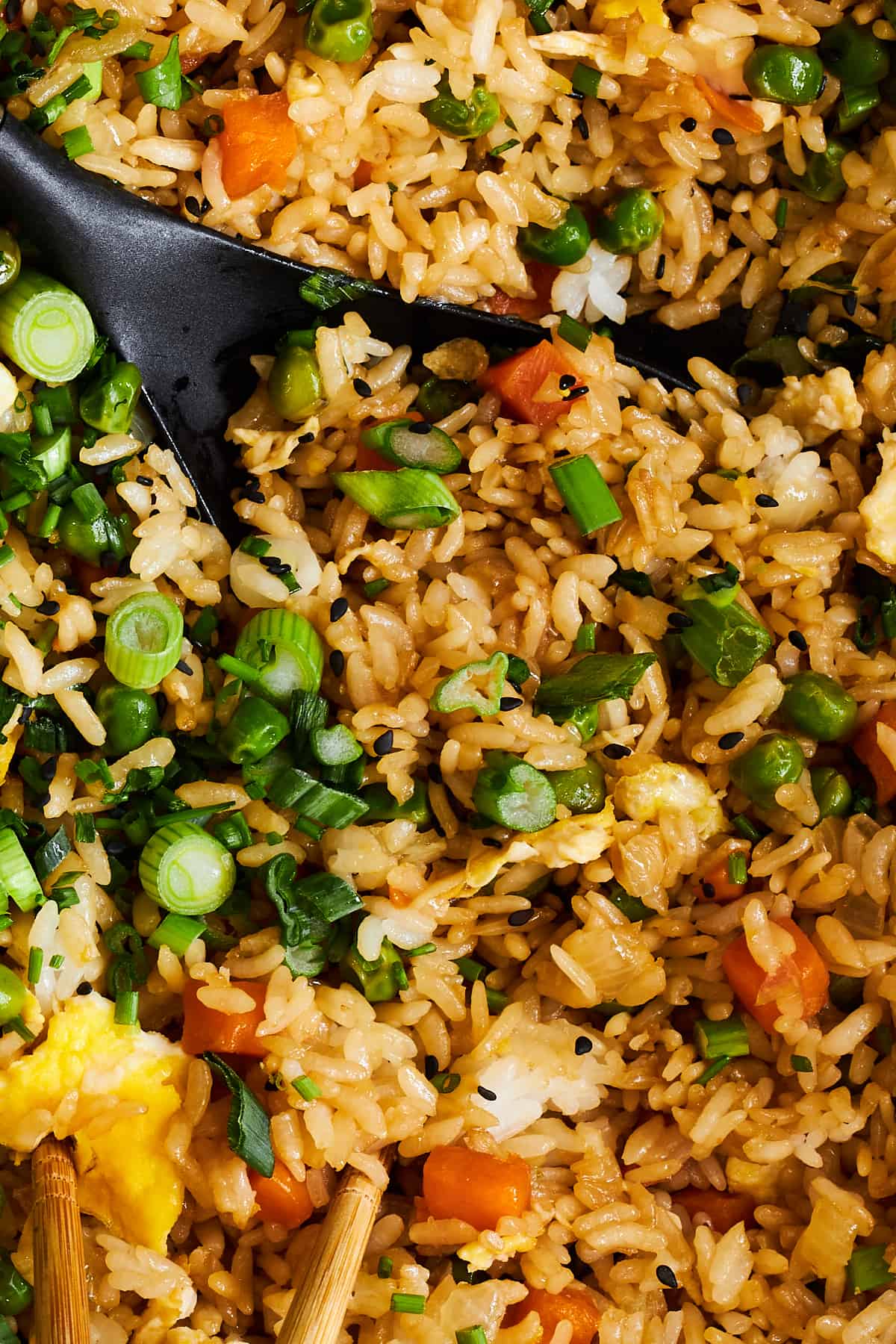
Sometimes, however, the best fix is a pivot. Gummy rice works surprisingly well in fried rice, rice fritters, stuffed vegetables, or soups where the texture blends into the dish.
Ingredients You Need to Fix Gummy Rice
You don’t need much to rescue gummy rice, but these basics help improve texture and flavor.
- Water – A light rinse can remove excess starch if needed.
- Olive oil or butter – A small amount helps coat grains and reduce sticking. Use sparingly so the rice doesn’t turn greasy.
- Salt – A pinch can refresh flavor after rinsing or reheating.
How to Prevent Mushy Rice in the Future
Once you know how to fix gummy rice, prevention becomes even easier.
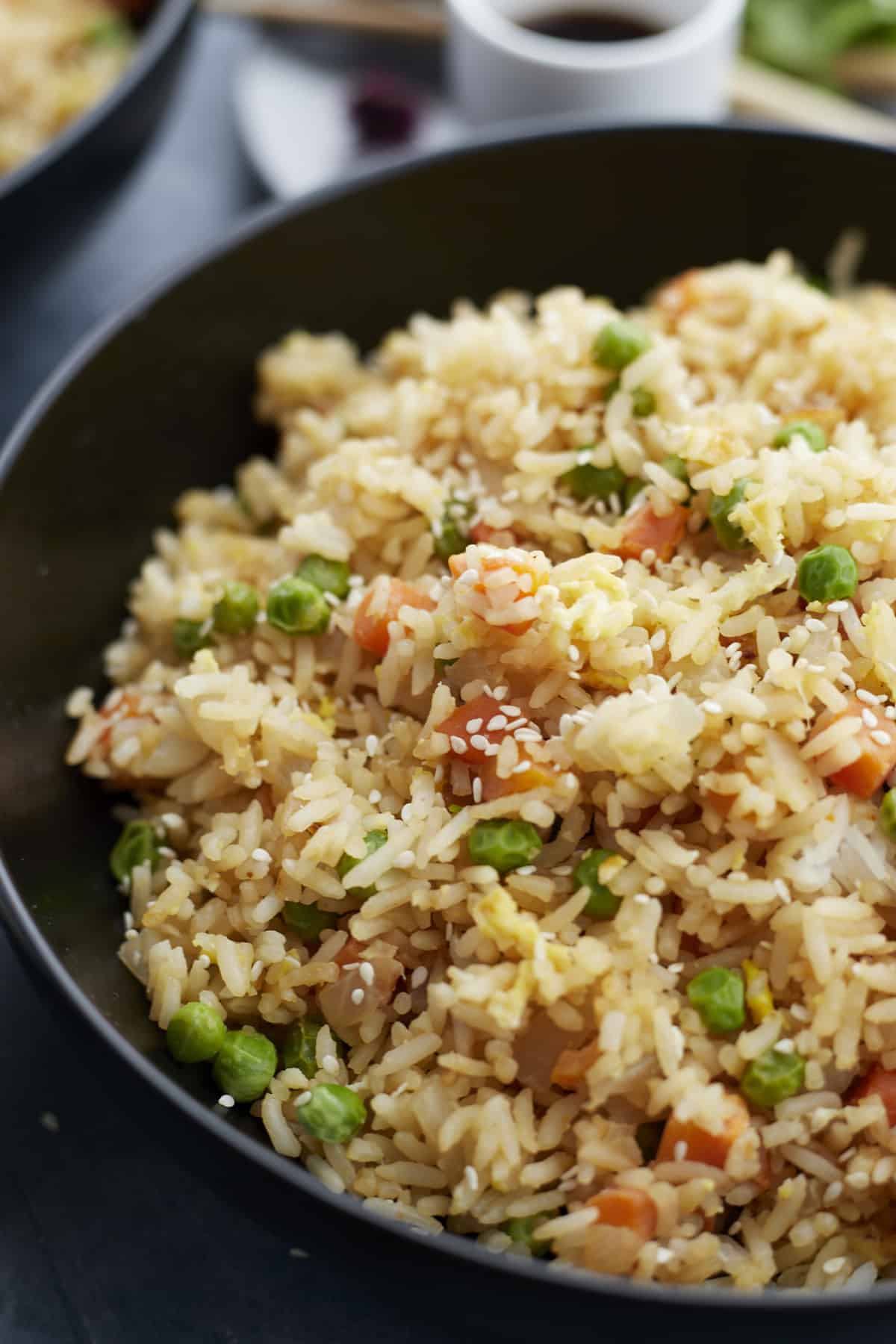
Rinsing rice until the water runs clear removes loose starch and dramatically improves texture. Measuring water carefully matters just as much—too much water often causes gummy rice rather than tender grains. Also, avoid stirring while the rice cooks, since agitation breaks grains and releases starch.
Choosing the right rice also makes a difference. Long-grain varieties like basmati and jasmine stay fluffier, while short-grain rice is better reserved for dishes that benefit from stickiness. Letting rice rest after cooking allows moisture to redistribute evenly, preventing soggy spots. Then, when it’s time to serve, fluff with a fork instead of stirring to separate grains without smashing them.
Can You Fix Gummy Rice in a Rice Cooker?
Yes, but timing matters. If you catch it early, unplug the cooker and let the rice steam uncovered for a few minutes. If it’s already sticky, spread the rice out to release moisture or repurpose it for another dish rather than trying to re-cook it.
Final Thoughts
Gummy rice is frustrating, but it’s rarely a lost cause. Whether you drain, dry, rinse, or rework it into something new, there’s almost always a way to fix or use it. Even better, a few simple habits—rinsing, proper water ratios, and minimal stirring—can keep the problem from happening again!

Rice Recipes You’ll Love
Now that you know how to master the art of crafting perfectly cooked rice, check out some of our popular recipes that put the grain to good use!