
When a recipe calls for flour, and you’re out, avoiding gluten, or simply experimenting, knowing the right Substitutes for Flour can save the day. From baking cakes to breading chicken, the best flour substitutes depend on what you’re making and how you want it to behave—structure, moisture, crispness, or tenderness all matter. This guide to flour substitutes breaks down the most practical options, how they perform, and when each one shines (or struggles), so you can swap with confidence.
What Flour Does in Recipes
Before swapping, it helps to understand flour’s role. In baking, flour provides structure by forming gluten (when wheat-based), helping batters rise and hold their shape. It also absorbs moisture and balances fats and sugars. In savory cooking, flour thickens sauces, coats proteins for browning, and adds crisp texture when fried or baked. Because not all substitutes behave the same way, choosing the right one is key.

Common Flour Substitutes You Can Use
Think of this as your pantry-friendly lineup. Some options are better for baking while others are ideal for thickening or breading.
Almond Flour
Made from finely ground blanched almonds, almond flour is soft, slightly nutty, and rich.
- Best for: Cakes, muffins, quick breads, cookies. We love to use it in our no-bake chocolate chip cookie dough bars.
- Pros: Moist crumb, naturally gluten-free, adds richness.
- Cons: Lacks gluten, so baked goods may be more tender and less structured; can brown quickly.
- Swap tip: Use about 1:1 by volume, but consider adding an extra egg for structure.
Oat Flour
Oat flour has a mild flavor and cozy texture that works well in many baked goods.
- Best for: Pancakes, muffins, cookies, quick breads.
- Pros: Easy to make at home by blending rolled oats; soft and approachable flavor.
- Cons: Less elastic than wheat flour; can be slightly crumbly.
- Swap tip: Use 1:1 for baking, but let batters rest a few minutes to hydrate fully.
Coconut Flour
Coconut flour is light, fine, and extremely absorbent.
- Best for: Cakes, muffins, pancakes (in small amounts).
- Pros: High fiber, naturally gluten-free, subtle coconut aroma.
- Cons: Absorbs a lot of liquid; using too much can lead to dense or dry results.
- Swap tip: Replace only ¼ cup coconut flour for every 1 cup all-purpose flour and increase liquids and eggs. It can also be combined with almond flour for a better texture.
Chickpea Flour (Garbanzo Bean Flour)
This protein-rich flour has a savory edge.
- Best for: Flatbreads, fritters, breading proteins, savory pancakes.
- Pros: Crisps beautifully, hearty texture.
- Cons: Strong flavor can overpower sweet recipes.
- Swap tip: Ideal for breading chicken or vegetables before roasting or pan-frying.
Rice Flour
Rice flour is finely milled from white or brown rice.
- Best for: Light batters, gluten-free baking blends, crisp coatings.
- Pros: Neutral flavor, creates crisp texture.
- Cons: Can feel gritty if used alone in baked goods.
- Swap tip: Use ⅞ cup for each 1 cup of all-purpose flour in a recipe. Combine with other flours for baking; use solo for breading or tempura-style batters.
Flour Substitutes for Thickening
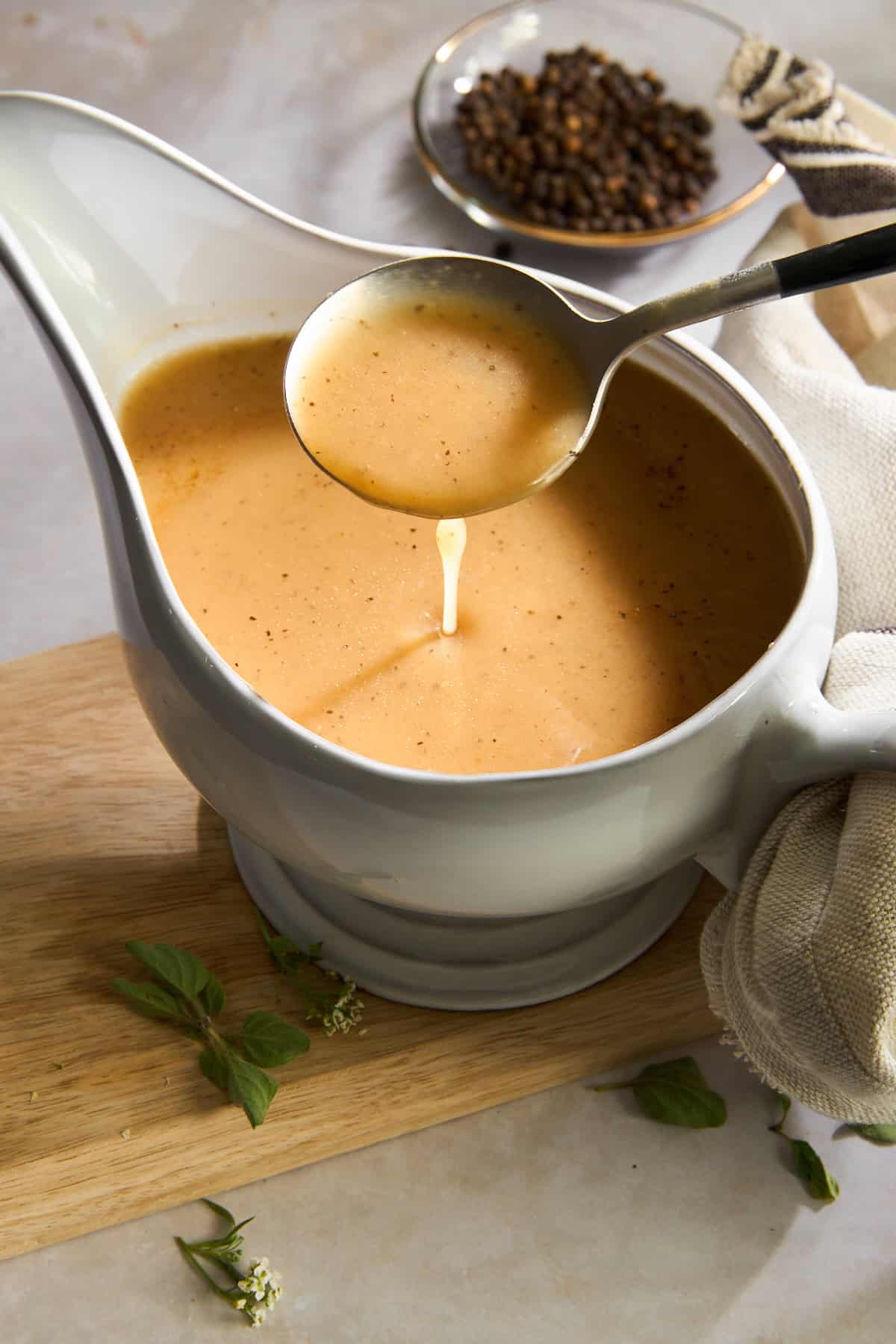
When flour’s job is to thicken, these swaps work especially well.
Cornstarch
Cornstarch is a powerful thickener with a glossy finish.
- Best for: Sauces, stir-fries, soups, and gravy.
- Pros: Thickens quickly, clear appearance.
- Cons: Can thin out if overcooked.
- Swap tip: Use 1 tablespoon of cornstarch for every 2 tablespoons of flour and always mix with a liquid (like water or stock) before adding to sauces to avoid lumps.
Arrowroot Powder
Arrowroot thickens smoothly and holds up to freezing.
- Best for: Fruit sauces, pie fillings, acidic sauces.
- Pros: Neutral flavor, shiny finish.
- Cons: Doesn’t love dairy-heavy sauces.
- Swap tip: Use 1 teaspoon of arrowroot in place of 1 tablespoon of flour.

Flour Substitutes for Breading and Coating
If you’re after crunch, these options deliver.
Breadcrumbs or Panko
Not a flour, but an effective coating.
- Best for: Chicken cutlets, fish and fish sticks, and vegetables.
- Pros: Crunchy texture, golden finish.
- Cons: Not suitable for baking structure and not gluten-free unless specifically labeled.
- Swap tip: Season generously for extra flavor.
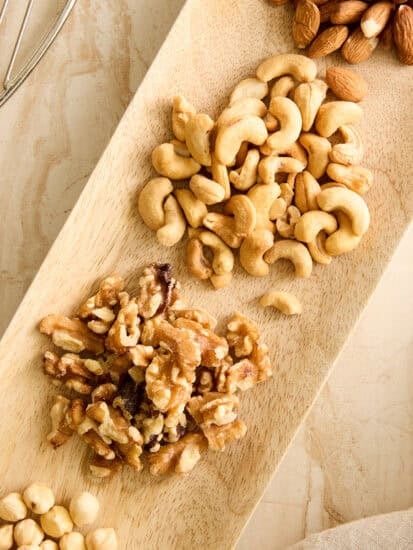
Crushed Nuts
Almonds, pecans, or walnuts add texture and depth.
- Best for: Oven-baked proteins, crusted fish.
- Pros: Toasty flavor, crisp exterior.
- Cons: Can burn at high heat.
- Swap tip: Pulse finely and bake at moderate temperatures.

How to Choose the Right Substitute
Ask yourself:
- Baking or cooking? Baking needs structure; cooking often needs texture or thickening.
- Sweet or savory? Nut and bean flours lean savory; oat and almond adapt well to sweet recipes.
- Crisp or tender? Rice flour and cornstarch crisp; almond and oat stay soft.
The Bottom Line
There’s no single best answer when it comes to substitutes for flour—the right choice depends on the job flour is doing in your recipe. With a little know-how, these flour substitutes can deliver great texture, flavor, and results whether you’re baking a batch of muffins, thickening a sauce, or breading proteins for dinner. Keeping your pantry stocked with a few of these options means you’ll never be stuck searching for a substitute again!