
If you’ve ever wondered How to Make a Roux, you’re about to uncover one of the most fundamental techniques in cooking. This simple blend of fat and flour is the secret behind so many sauces, gravies, and soups that have that smooth, velvety texture everyone craves.
From creamy mac and cheese to rich gumbo, a well-made roux lays the foundation for flavor and texture that make dishes unforgettable. And don’t worry if yours turns out lumpy—we’ll show you exactly how to fix it and get back on track.

Table of Contents
What is a Roux?
A roux is a classic French cooking staple made by whisking together equal parts fat and flour over heat. The mixture is cooked to different stages depending on how deep and nutty you want the flavor to be.
Here’s a quick rundown of the common varieties:
- White roux – Mild and lightly cooked, ideal for cheese sauces and creamy soups.
- Blond roux – Slightly toasted and nutty, perfect for gravies and chowders.
- Brown roux – Deeply browned with a toasty aroma, the key to gumbo and other Cajun dishes.
The darker the color of the roux, the more complex the flavor—but the less it will thicken your dish. That’s why knowing how long to cook it makes all the difference.
Ingredients
You only need two ingredients to make a roux, but the type of fat you choose can dramatically change the flavor and texture.
- Fat – Butter adds rich flavor and a touch of sweetness, making it perfect for cream-based sauces and gravies. Oil (like canola or vegetable) gives a neutral base and can handle higher heat, while bacon grease or duck fat add savory depth for heartier dishes.
- Flour – All-purpose flour works best. It thickens evenly and blends smoothly with the fat for that silky finish. You can also use gluten-free flour — just choose an alternative with a 1:1 ratio for substitution.
That’s it! The magic is all in the method.
How to Make a Roux
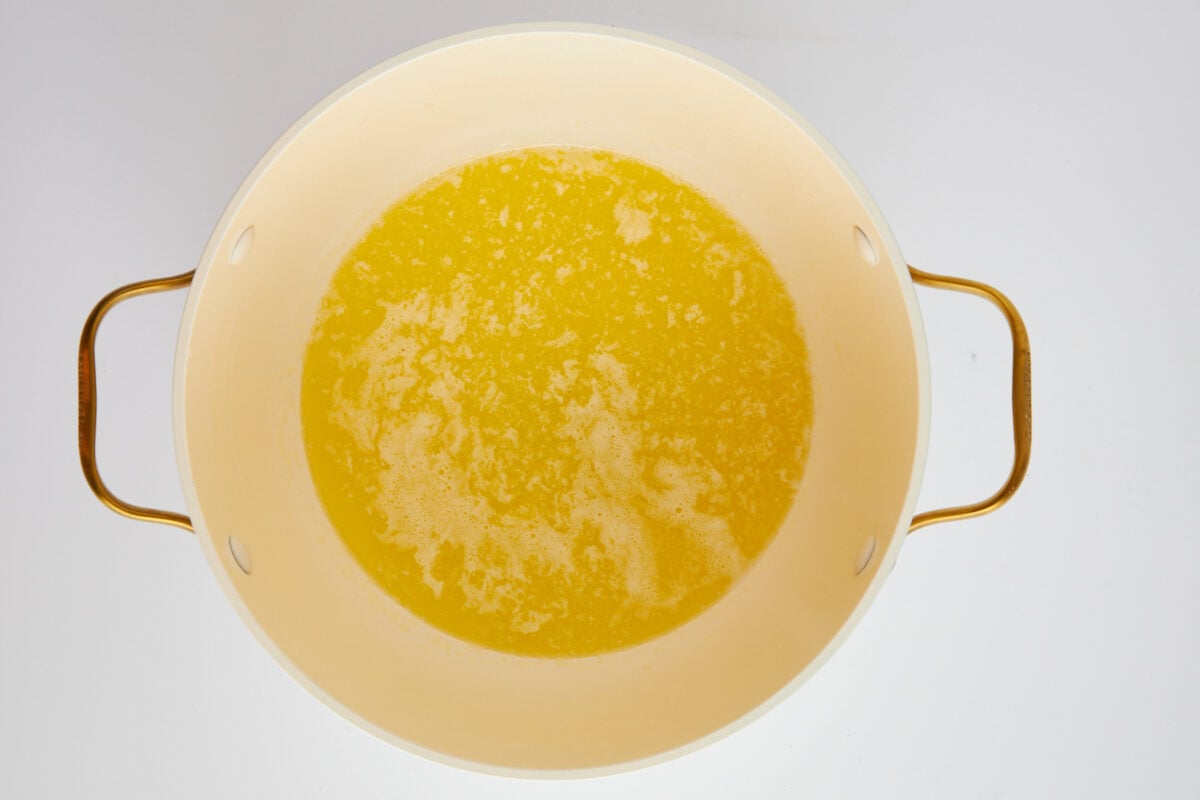
- Melt the fat. Start by melting your butter or heating your chosen fat in a saucepan over medium heat.
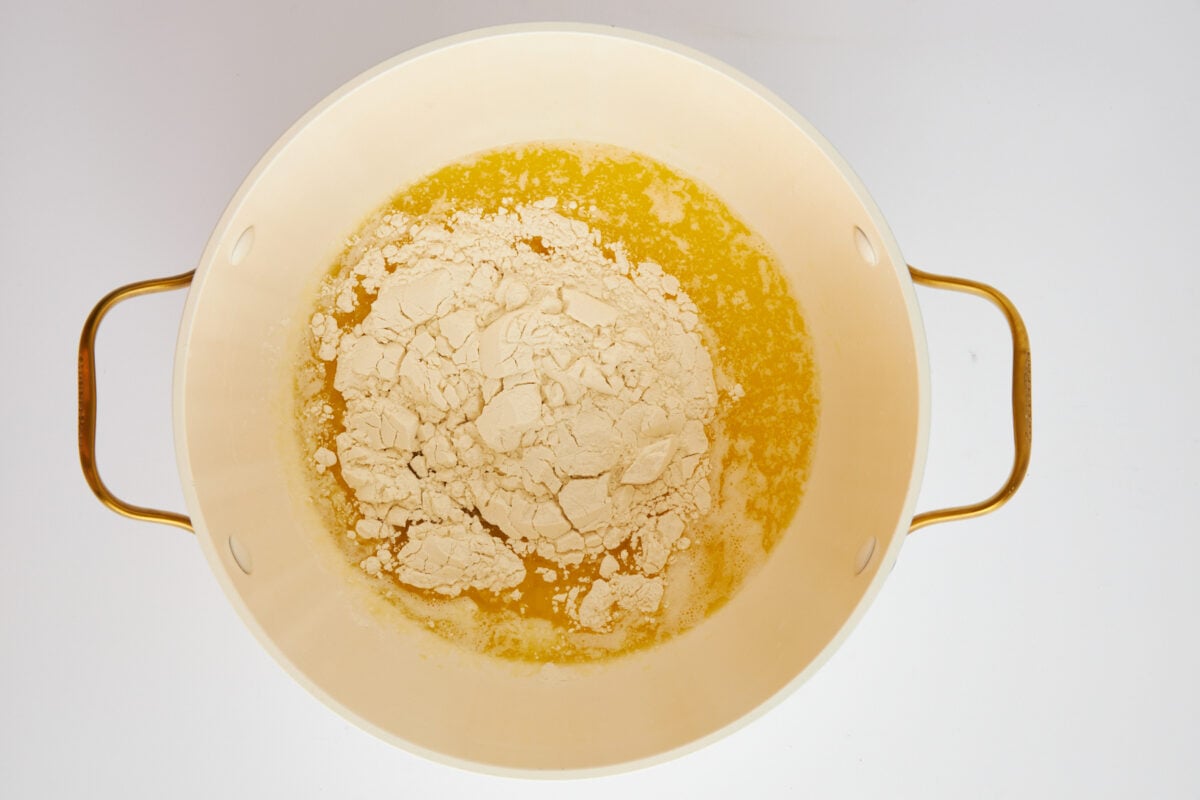
- Add the flour. Sprinkle in an equal amount of flour (for example, ¼ cup flour for ¼ cup butter) while whisking constantly to combine.
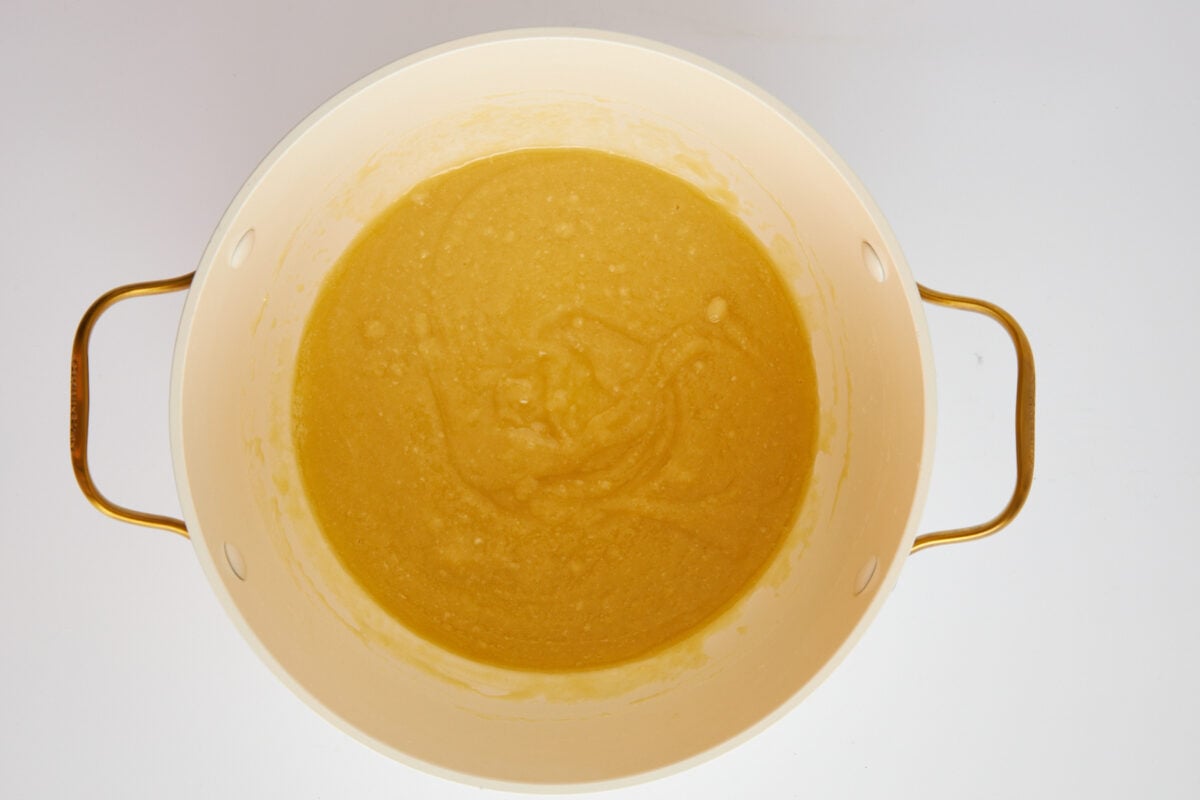
- Cook and stir. Keep whisking as the mixture cooks. The roux will start off pale and foamy, then gradually darken. For a white roux, cook for 2–3 minutes. For a blond or brown roux, continue whisking for up to 10 minutes, or until it smells toasty and nutty.
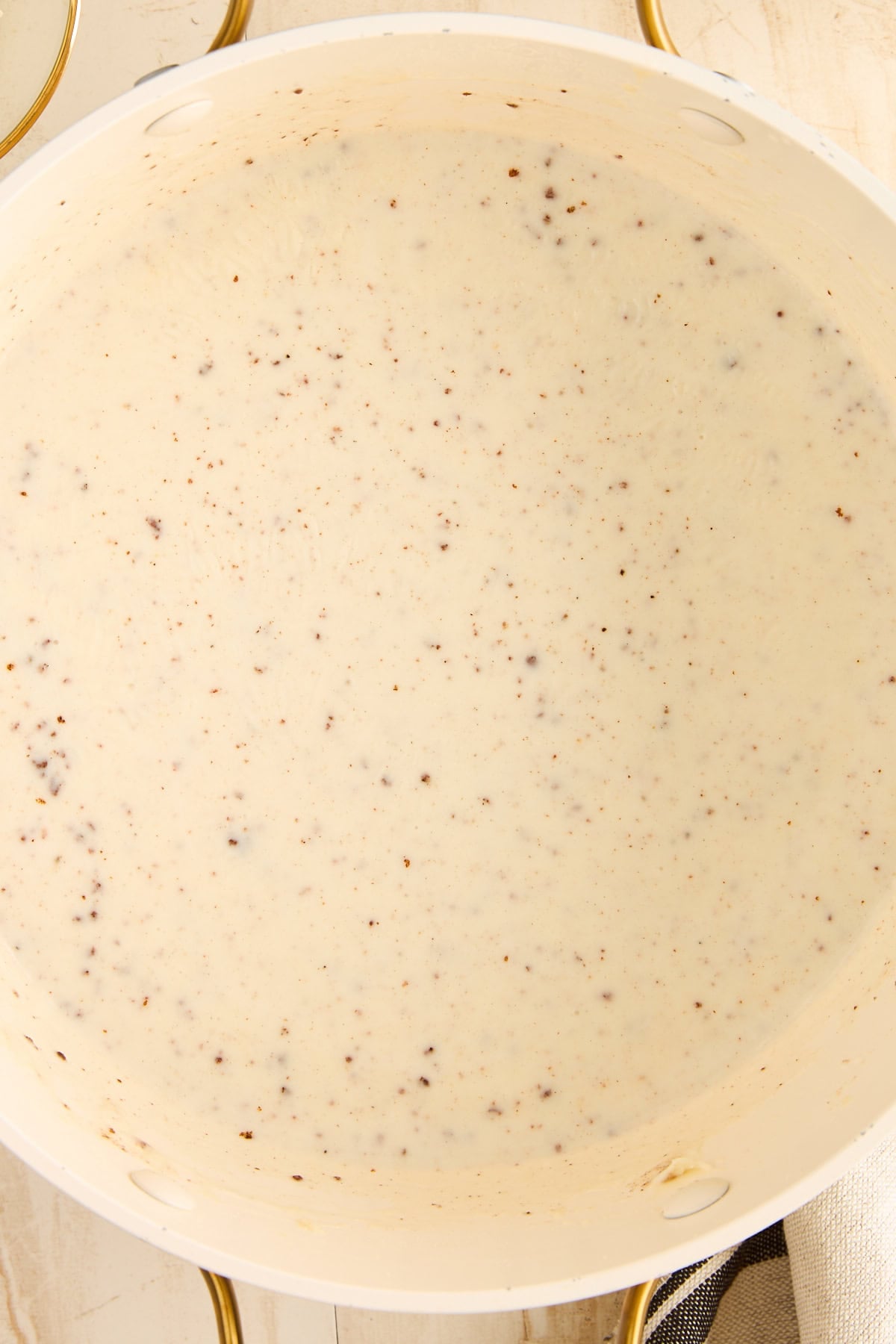
- Use it or store it. Add liquid (like milk, broth, or stock) to your roux right away to create a sauce, or let it cool and store it for future recipes.
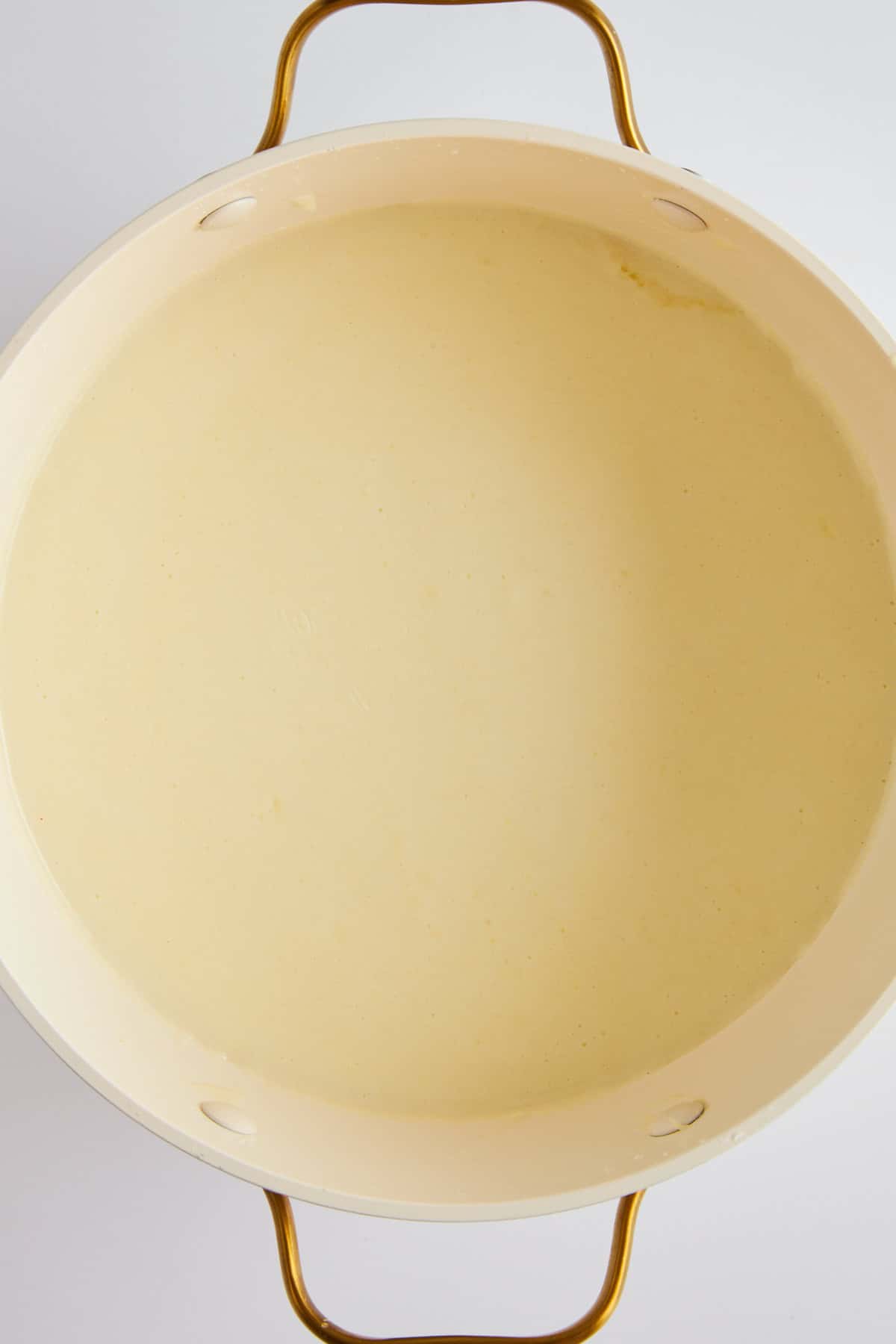
You’ll know it’s ready when it’s smooth, aromatic, and evenly colored without any lumps or dry patches.
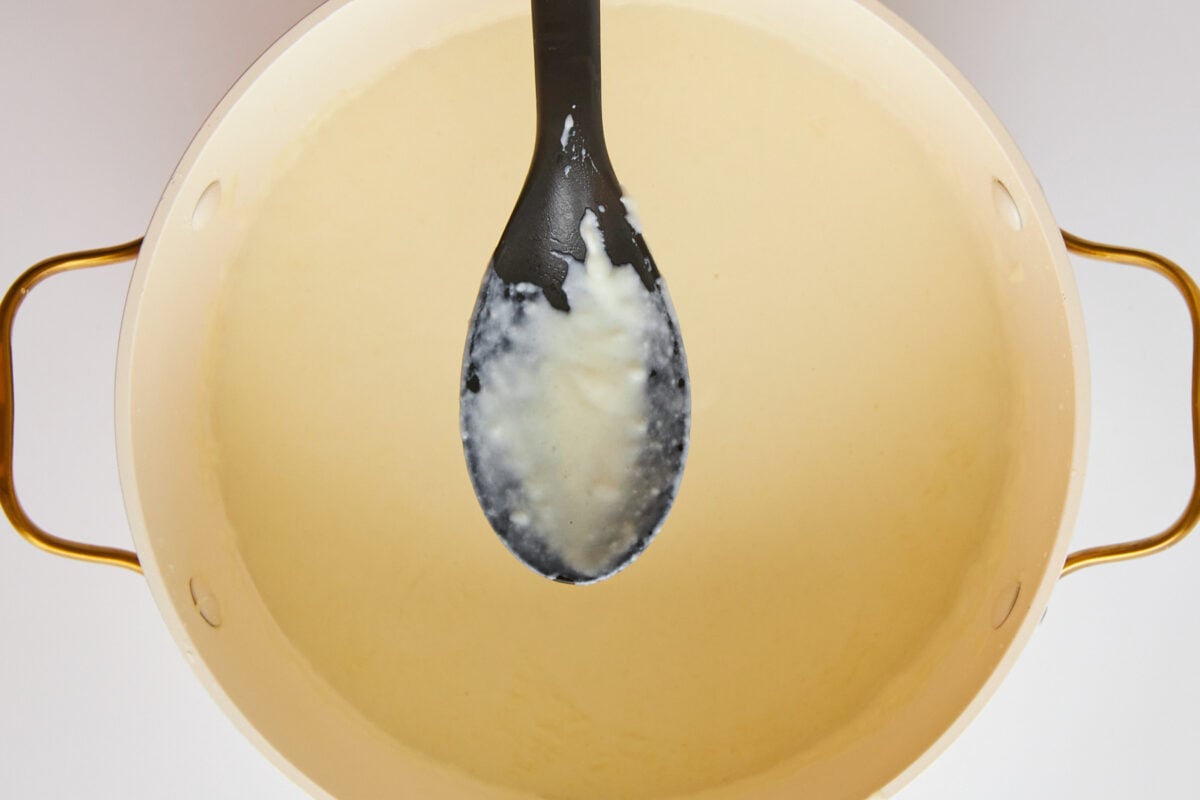
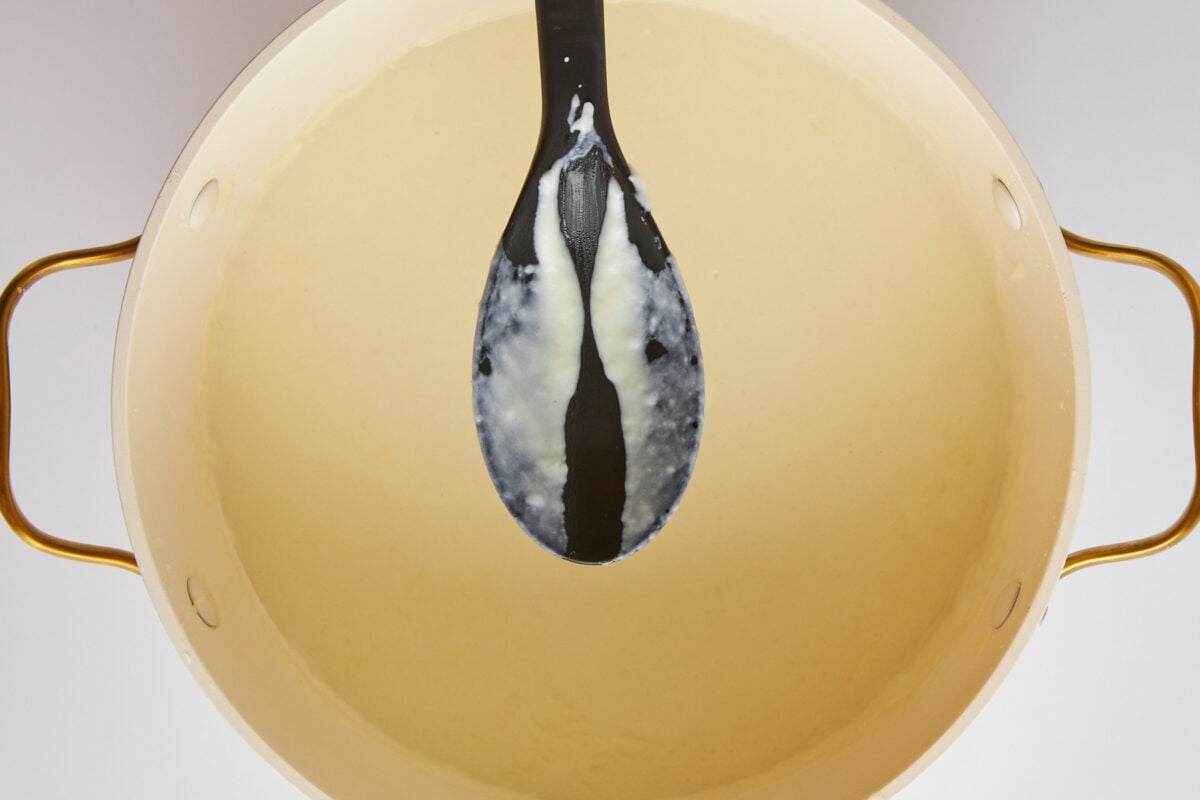
How to Fix a Lumpy Roux
If your roux turns lumpy, don’t panic—there’s an easy fix. Lumps form when the flour and fat don’t blend evenly or when the mixture gets too hot too quickly. Try these quick solutions:
- Whisk it out. Lower the heat and whisk vigorously to smooth out any lumps. A balloon whisk works best to reach the edges of the pan.
- Add liquid gradually. When turning your roux into a sauce, whisk in warm or room-temperature liquid a little at a time. Slow incorporation helps dissolve any clumps.
- Strain it. If all else fails, pour the roux or sauce through a fine-mesh strainer to remove lumps and start fresh.
Pro tip: Pair opposites to prevent lumps in the first place—add hot liquid to a cooled roux, or cold liquid to a hot roux.
What to Use a Roux For
Once you know how to make a roux, you’ll start seeing opportunities to use it everywhere. It’s the backbone of so many classic dishes!
- Mac and Cheese – A white roux creates the creamiest base for your cheese sauce. We incorporate it into our recipe for Hidden Veggie Mac and Cheese to make the dish a creamy hit for everyone at the table!
- Gravy – A blond roux gives gravies that smooth, glossy consistency that’s perfect for pouring over mashed potatoes or roast beef. It’s exactly what we whip to make sure our Thanksgiving Turkey Gravy turns out perfect.
- Gumbo and Étouffée – A dark brown roux adds the signature deep flavor to these Southern favorites.
- Soups and Chowders – Use a roux to give hearty thickness to chowders or bisques without adding cream. We use it to make our Slow Cooker Creamy Chicken Wild Rice Soup amazingly rich.
- Béchamel and Mornay – Classic French sauces start with a roux, then build on it with milk, cream, or cheese for rich, velvety results. Our Baked Penne with Béchamel wouldn’t be the same without the roux to round out the sauce.
The possibilities are endless—once you master the technique, it becomes second nature to use it in both everyday meals and special dishes.
Tips for Perfecting Your Roux
- Keep the heat steady. Medium to medium-low heat works best to prevent burning.
- Stir constantly. A consistent motion keeps the mixture smooth and evenly cooked.
- Use a heavy-bottomed pan. It distributes heat evenly so your roux doesn’t scorch.
- Store for later. Make extra and refrigerate for up to two weeks, or freeze in small portions for quick sauces anytime.
The Takeaway
Learning how to make a roux is one of those foundational skills that instantly boosts your confidence in the kitchen. It’s simple, versatile, and endlessly useful, whether you’re whipping up a cheesy pasta, simmering a hearty stew, or perfecting your holiday gravy.
And even if you end up with a few lumps, now you know exactly how to fix them. Once you get the hang of it, your sauces, soups, and comfort food favorites will never be the same again!













Love a good Roux
My neighbor who is in her nineties still cooks.
Her solution for lumps when making a roux is to use a potato masher..
It works well.. not a lump in sight
Xx
Hi Vicki,
We love this so much! Thank you for chiming in with this and give your neighbor a hug for us!
xo,
Alia & Radwa