Knowing How to Make a Vinaigrette is one of those back-pocket kitchen skills that has the potential to pay off every single time you cook. With just a handful of pantry staples and a simple ratio, you can build a dressing that tastes fresh, balanced, and completely customized to what you’re serving!

Table of Contents
- What Is a Vinaigrette, Really?
- The Classic Vinaigrette Ratio (And When to Break It)
- Ingredients You Need for a Basic Vinaigrette
- How to Make a Vinaigrette (Three Easy Methods)
- Flavor Combinations That Always Work
- More Ways to Use Vinaigrette Beyond Green Salads
- Common Vinaigrette Mistakes and Easy Fixes
- Make It Your Own
What Is a Vinaigrette, Really?
At its core, a vinaigrette is a mixture of fat and acid that’s whisked or blended together until it becomes cohesive. The fat is usually oil, and the acid is most often vinegar or citrus juice. On their own, these two ingredients naturally separate, but with the right proportions and a little technique, they come together into a smooth, flavorful dressing.
What makes vinaigrettes especially useful is how adaptable they are. You can keep things classic and clean, or layer in sweetness, spice, herbs, or aromatics. From a simple meal-prepped salad to a grain bowl or roasted vegetables, a good vinaigrette adds brightness and balance without overpowering the dish.
The Classic Vinaigrette Ratio (And When to Break It)
The traditional vinaigrette ratio is three parts oil to one part acid. This creates a dressing that’s well-rounded and easy to drizzle, with enough acidity to brighten flavors without tasting sharp.
That said, this ratio is a starting point, not a hard rule. If you’re working with sturdy greens like kale or cabbage, bumping up the acid can help soften the leaves. For grain salads or pasta salads, a slightly oil-forward vinaigrette helps everything stay cohesive as it sits. When using vinaigrette as a marinade, leaning more acidic can help proteins absorb flavor more quickly.
Taste as you go and adjust based on what you’re making.
Ingredients You Need for a Basic Vinaigrette
- Oil – This gives the vinaigrette body and richness. Extra-virgin olive oil is a classic choice, but avocado oil works well when you want a more neutral flavor.
- Acid – Vinegar or citrus juice provides brightness. Apple cider vinegar adds gentle tang with a hint of fruitiness, while red wine vinegar, sherry vinegar, or lemon juice each bring their own personality to the party!
- Mustard – This acts as an emulsifier and adds savory depth. Dijon mustard blends smoothly and helps keep the vinaigrette from separating.
- Salt – A small amount sharpens the overall flavor and keeps the dressing from tasting flat.
- Optional Sweetener – A touch of maple or honey can balance acidity and round out sharper vinegars without making the vinaigrette taste sweet.
How to Make a Vinaigrette (Three Easy Methods)
Whisking by hand is the most classic approach. Start by combining the acid, mustard, salt, and any sweetener in a bowl. Slowly drizzle in the oil while whisking continuously until the vinaigrette looks unified and lightly thickened.
Shaking it in a jar is quick and convenient. Add all the ingredients to a mason jar with a tight-fitting lid, then shake vigorously until everything comes together. This method is especially handy for small batches you want to store in the fridge.
Using an immersion blender creates an extra-smooth vinaigrette in seconds. Add everything to a tall container and blend until the mixture is emulsified. This works particularly well when you’re adding garlic, shallots, or fresh herbs and want a more uniform texture.
Flavor Combinations That Always Work
Once you’ve mastered the base, vinaigrettes become a canvas for flavor. Apple cider vinegar or balsamic vinegar paired with olive oil, Dijon, and maple or honey creates a balanced dressing that works beautifully with fall salads and roasted vegetables. Lemon juice, olive oil, mustard, and fresh herbs keep things bright and clean, making it a great match for seafood or grain bowls.
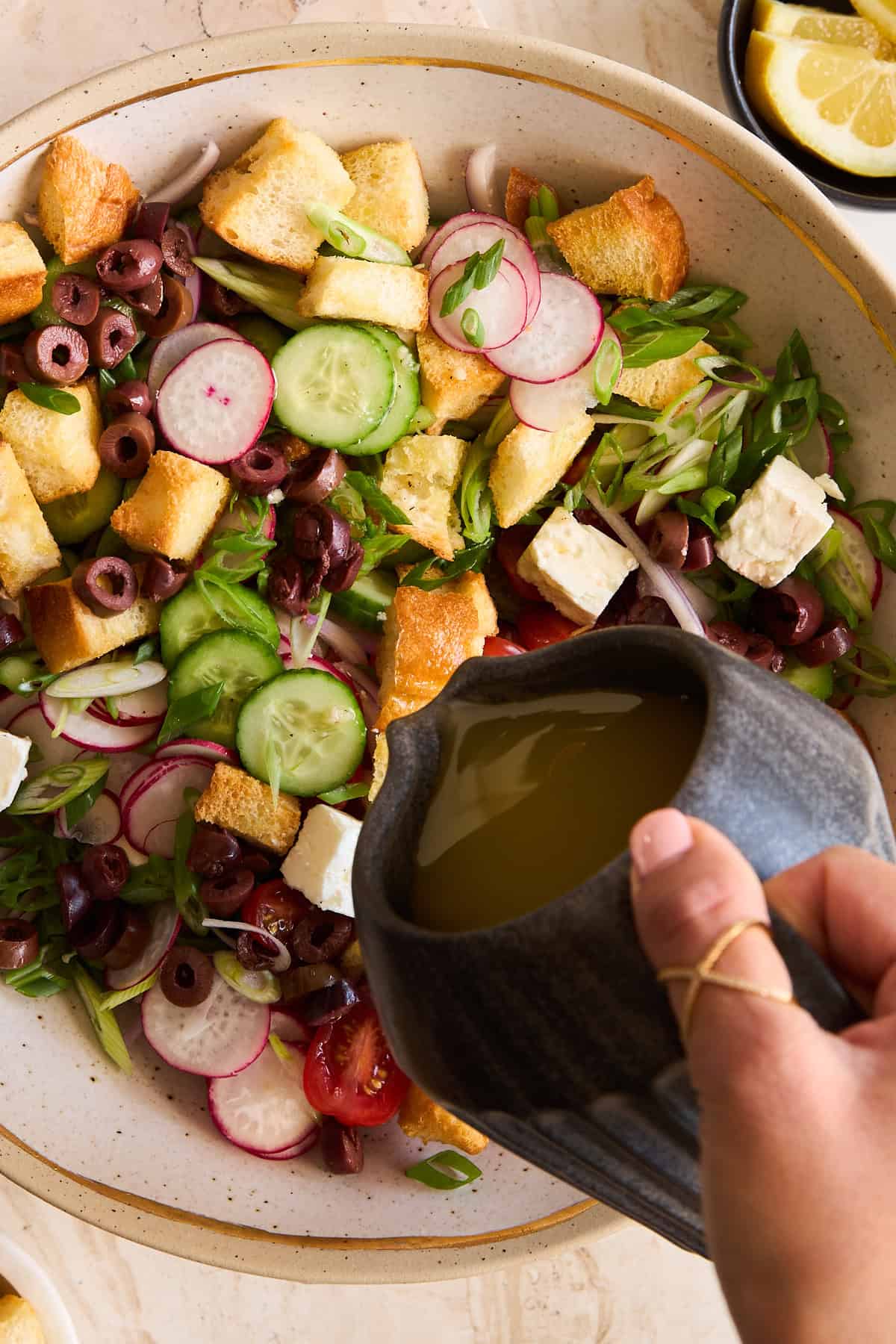
Red wine vinegar combined with garlic and oregano leans Mediterranean and pairs naturally with tomatoes, cucumbers, and feta. Sherry vinegar with shallots and walnut oil brings a slightly nutty depth that complements bitter greens and lentil salads.
More Ways to Use Vinaigrette Beyond Green Salads
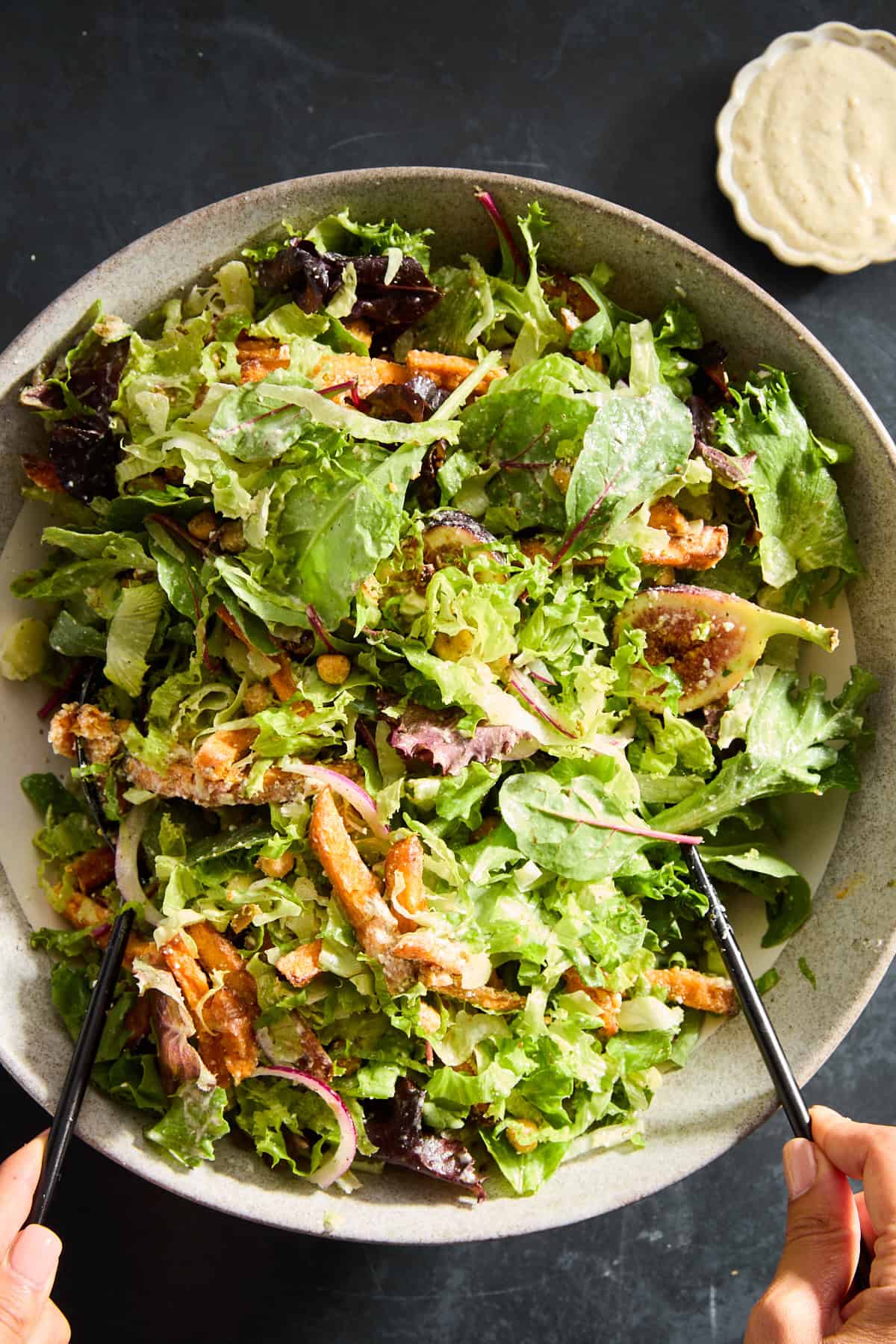
Vinaigrettes aren’t just for leafy greens. They work well as marinades for chicken, fish, or tofu, where the acid helps tenderize, and the oil keeps things juicy. They’re also delicious drizzled over roasted vegetables, especially right after they come out of the oven, while everything is still warm.
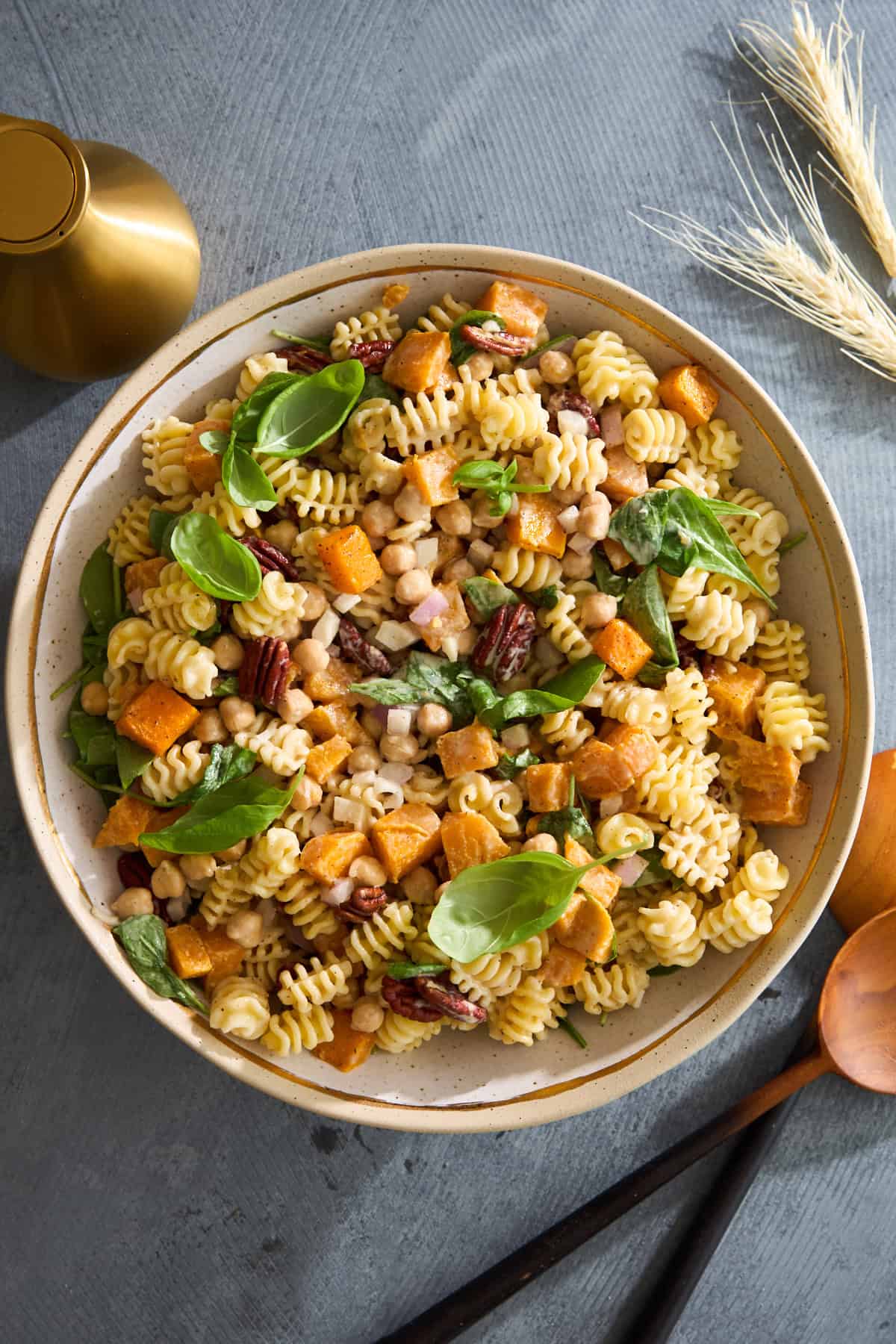
You can use vinaigrette to dress grain salads like quinoa or farro, or spoon it over grilled meats and vegetables as a finishing sauce. Because vinaigrettes are lighter than creamy dressings, they add flavor without weighing dishes down.
Finally, don’t sleep on using a vinaigrette as a dipping sauce. It’s perfect served alongside pita or focaccia bread.
Common Vinaigrette Mistakes and Easy Fixes
If a vinaigrette tastes too sharp, adding a little more oil or a splash of maple can mellow it out. If it feels greasy, whisk in more vinegar or a squeeze of citrus to bring things back into balance. When separation happens, simply whisk or shake again, or add a small spoonful of mustard to help stabilize the mixture.
If the flavor feels muted, a pinch of salt or an extra splash of acid often brings everything into focus.
Make It Your Own
Learning how to make a vinaigrette gives you a foundation you can build on endlessly. Once you understand the ratio and a few key techniques, you can adjust flavors to match the season, the ingredients you’re using, or whatever sounds good in the moment!