Baking soda may be a small ingredient, but it plays a big role in how baked goods rise, brown, and bake. Understanding Baking Soda Substitutes—and when they actually work—can save a recipe and help you make easy, precise adjustments. Our guide breaks down the science behind baking soda, reliable baking soda alternatives, exact substitution ratios, and when it’s smart not to swap at all.

Table of Contents
- What Is Baking Soda and Why Is It Used?
- When You Can Substitute for Baking Soda (and When You Shouldn’t)
- Best Baking Soda Substitutes and How to Use Them
- Potassium Bicarbonate
- Ammonium Carbonate (Baker’s Ammonia)
- Whipped Egg Whites (Conditional Substitute)
- Ingredients That Help Baking Soda Substitutes Work Better
- When Not to Use a Baking Soda Substitute
- Final Thoughts on Baking Soda Substitutes
What Is Baking Soda and Why Is It Used?
Baking soda—also known as bicarbonate of soda—is a chemical leavening agent. When it reacts with an acid and moisture, it releases carbon dioxide gas. Those gas bubbles expand in the oven, giving baked goods their lift and light texture.
Baking soda also affects more than just the rise. It changes the pH of doughs and batters, which influences browning, spread, and flavor development. This is why recipes like chocolate chip cookies rely on baking soda for crisp edges, deeper color, and a balanced sweetness. Without it, cookies may bake up thicker, paler, or more cake-like.
When You Can Substitute for Baking Soda (and When You Shouldn’t)
Substitutes work best when baking soda’s primary role is leavening. Muffins, quick breads, pancakes, and some cakes are generally forgiving and adapt well to alternatives.
However, substitutions aren’t always ideal. Recipes that depend on baking soda for browning, chew, or controlled spread—again, chocolate chip cookies are a classic example—can change noticeably. If baking soda is the only leavening agent and the recipe contains little acid, swapping it out may result in dense or flat baked goods.

Best Baking Soda Substitutes and How to Use Them
These are the most practical and reliable baking soda substitutes, along with clear ratios and best-use scenarios.
Baking Powder
Baking powder is the most common alternative and contains bicarbonate plus an acid, which makes it self-activating.
How to substitute:
Use 3 teaspoons baking powder for every 1 teaspoon baking soda.
Because baking powder is less potent, larger amounts are needed. It works well in cakes, muffins, and pancakes, but it may slightly affect flavor and texture in cookies due to added starches.
Self-Rising Flour
Self-rising flour includes baking powder and salt, making it a built-in leavening option.
How to substitute:
Replace regular flour with self-rising flour and omit the baking soda and salt from the recipe.
This works best in simple baked goods like biscuits or quick breads. It’s not ideal for recipes that require precise flour ratios or multiple leavening agents.
Potassium Bicarbonate
Potassium bicarbonate functions similarly to baking soda but contains no sodium.
How to substitute:
Use 1:1 in place of baking soda, and add a pinch of salt to balance flavor.
Because it still requires an acid to activate, it performs best in recipes that already include acidic ingredients like yogurt, citrus juice, or brown sugar.
Ammonium Carbonate (Baker’s Ammonia)
This traditional leavening agent releases carbon dioxide and ammonia when heated.
How to substitute:
Use 1:1 in place of baking soda, but only in dry baked goods such as cookies or crackers.
It should not be used in cakes or muffins, as the ammonia smell may linger in thicker or moist baked goods.
Whipped Egg Whites (Conditional Substitute)
Whipped egg whites provide lift by incorporating air rather than producing carbon dioxide.
How to substitute:
Whip egg whites to soft peaks and gently fold them into the batter, slightly reducing other liquids. A good rule of thumb is to use two egg whites per one teaspoon of baking soda.
This method works best for cakes and sponge-style baked goods, but does not replicate baking soda’s browning or spread.
Ingredients That Help Baking Soda Substitutes Work Better
When using baking soda alternatives, these ingredients can help maintain structure and texture:
- Acidic ingredients – Yogurt, buttermilk, vinegar, citrus juice, or brown sugar help activate bicarbonate-based substitutes.
- Eggs – They provide structure and help trap air, especially when chemical leavening is reduced.
- Sugar – Supports browning and moisture retention, roles that baking soda normally enhances.
When Not to Use a Baking Soda Substitute
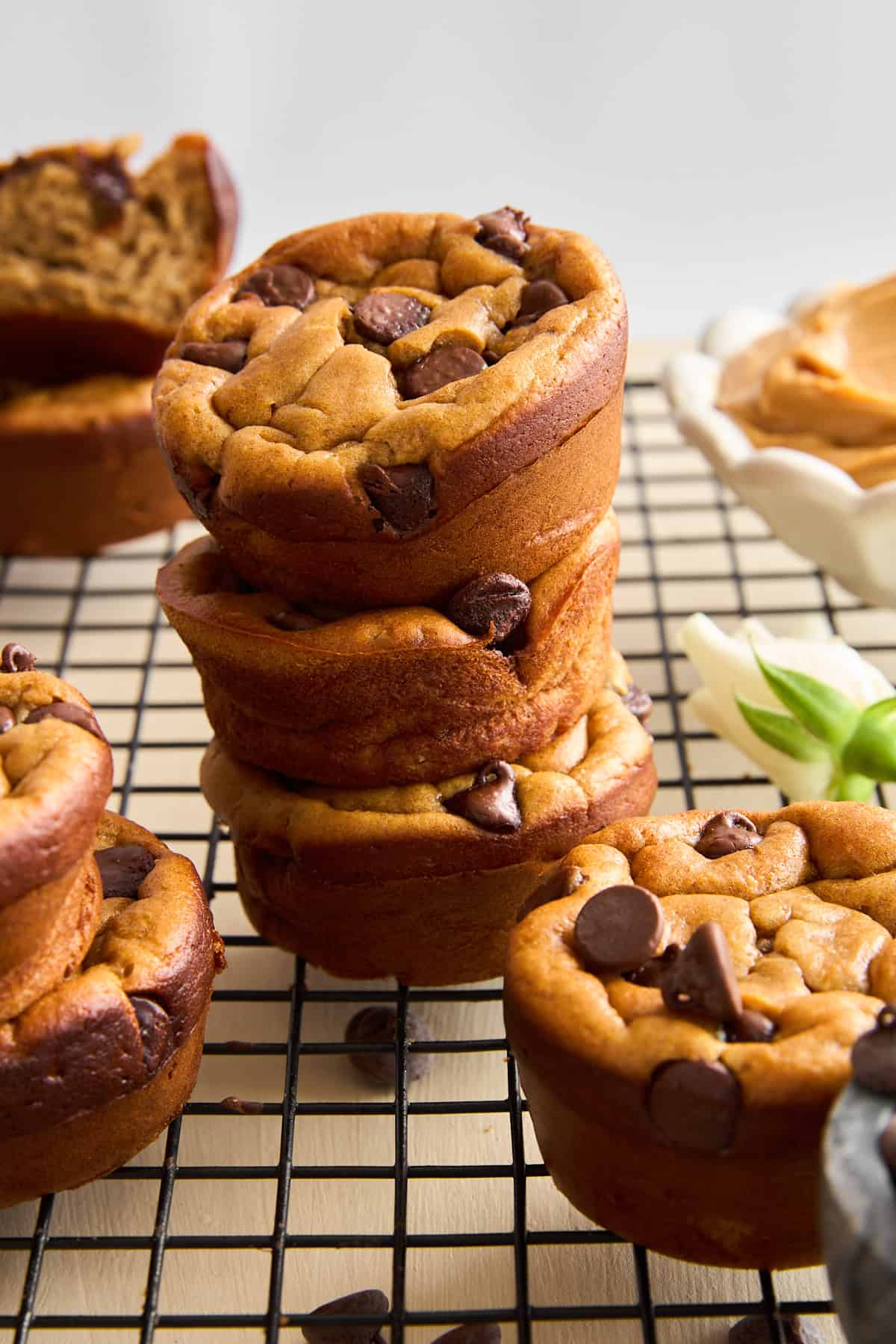
Some recipes simply don’t adapt well. Cookies that rely on baking soda for spread and caramelized flavor may turn out thicker or lighter in color. Recipes with very little acid may also fail to rise properly, even with substitutions.
In these cases, waiting until baking soda is available often produces better results than forcing a swap.

Final Thoughts on Baking Soda Substitutes
Baking soda plays a unique role in baked goods, influencing rise, texture, and color. While several baking soda substitutes can work well, success depends on understanding how each alternative interacts with acid, moisture, and heat. With the right ratios, many recipes can still bake up with great structure and flavor—even when baking soda isn’t an option!