
You pull a tray of cookies out of the oven, only to find them looking more like pancakes than the soft, chewy rounds you were expecting. We’ve all been there! If you’ve ever asked yourself, “Why did my cookies spread too much?”, you’re in the right place!
There are a handful of common culprits behind flat cookies, and once you understand what went wrong, it’s easy to fix for next time.

Why Cookies Spread Too Much
There’s no single answer to why cookies turn out flat, but most of the time, it comes down to ingredient ratios or temperature issues. Here’s a look at the most common causes:
- Butter – Butter that’s too soft or melted before baking causes cookies to spread too quickly. The fat melts before the structure sets, leading to thin, crispy edges and no lift.
- Flour – Not using enough flour means the dough doesn’t have enough structure to hold its shape. Always measure flour correctly—either by weighing it or spooning and leveling it in your measuring cup.
- Sugar – Sugar melts in the oven, which helps with spreading. Too much sugar (especially brown sugar) or using the wrong type can cause excessive spreading.
- Leavening Agents – Old or expired baking soda or baking powder can affect how cookies rise and spread. Make sure yours are fresh and active.
- Baking Sheet – Dark or nonstick baking sheets absorb more heat, which can make cookies spread faster. Lighter-colored metal sheets work best for even baking.
- Dough Temperature – Room-temperature dough spreads more than chilled dough. Chilling the dough before baking helps control the spread and enhances flavor.
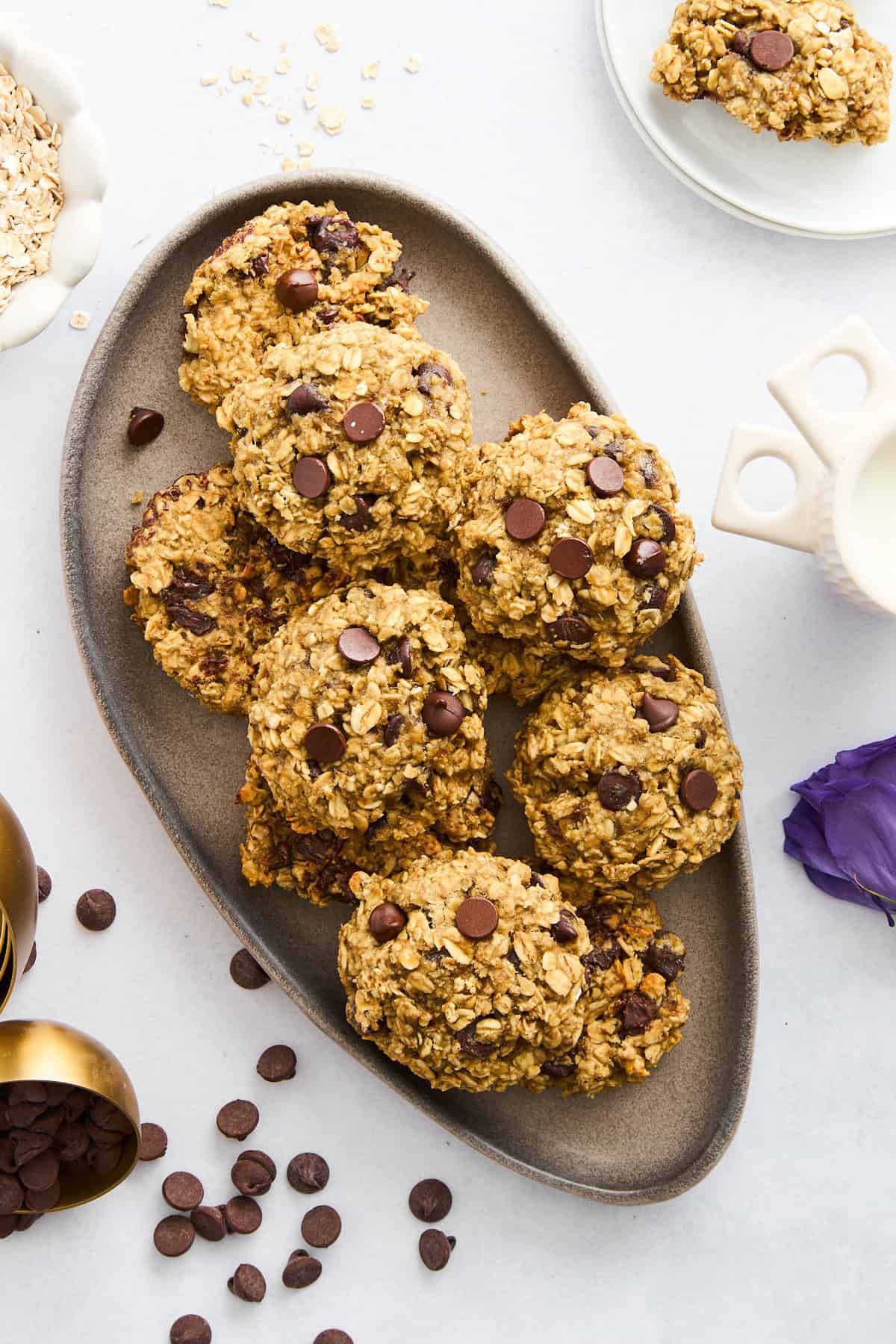
How to Fix Flat Cookies
Don’t toss that dough just yet—most spreading problems are easy to fix! If you’ve baked a test cookie and it came out flat, here’s how to bring your cookie dough back to life:
- Chill the Dough – Refrigerate your dough for at least 30 minutes before baking. Cold dough spreads less and gives you thicker, chewier cookies.
- Add a Little More Flour – If your dough feels too sticky or loose, add 1–2 tablespoons of flour and mix gently until it feels scoopable and holds its shape.
- Check the Butter Temperature – If the butter is too soft, pop the dough in the fridge to firm it up before baking.
- Use Parchment Paper, Not Grease – Greasing your baking sheet can make cookies spread more. Use parchment paper or silicone mats instead for even baking.
- Test Bake One Cookie – Bake a single test cookie to see how it spreads. If it flattens too much, adjust the dough or chill time before baking the full batch.
How to Prevent Cookie Spread Next Time
A few small changes can make all the difference for picture-perfect cookies that stay thick and chewy.
- Use Cool Baking Sheets. If you’re baking multiple batches, don’t reuse a hot pan—heat will cause immediate spreading.
- Measure Accurately. Baking is a science! Too little flour or too much butter can throw off the balance.
- Don’t Overmix. Once the flour is added, mix only until combined. Overmixing can break down the structure and cause spreading.
- Bake at the Right Temperature. Make sure your oven is properly preheated. If it runs too cool, cookies will spread before they set.
- Try a Higher Rack. Baking cookies in the middle or upper third of the oven can prevent too much bottom heat, keeping the dough from melting too quickly.

When Flat Cookies Aren’t Always a Bad Thing
Here’s the twist: not all cookie spread is bad. Some recipes are meant to spread! Think of thin, buttery lace cookies or chewy chocolate chip cookies with crisp edges—they rely on a bit of spreading for that signature texture.
If you love thin cookies, use slightly softer butter, skip chilling the dough, or reduce the flour by a tablespoon or two. For thicker, bakery-style cookies, chill the dough longer and add a touch more flour.
The Takeaway
So, why did my cookies spread so much? The short answer: likely your butter was too warm, your flour too light, or your dough too soft. The good news? Every one of those issues has an easy fix. By paying attention to ingredient temperatures, dough consistency, and baking methods, you’ll be turning out perfectly thick, chewy cookies in no time.
Remember—every batch teaches you something new about your oven, your ingredients, and your personal cookie preferences. Once you master the balance, your cookies will come out picture-perfect every single time.
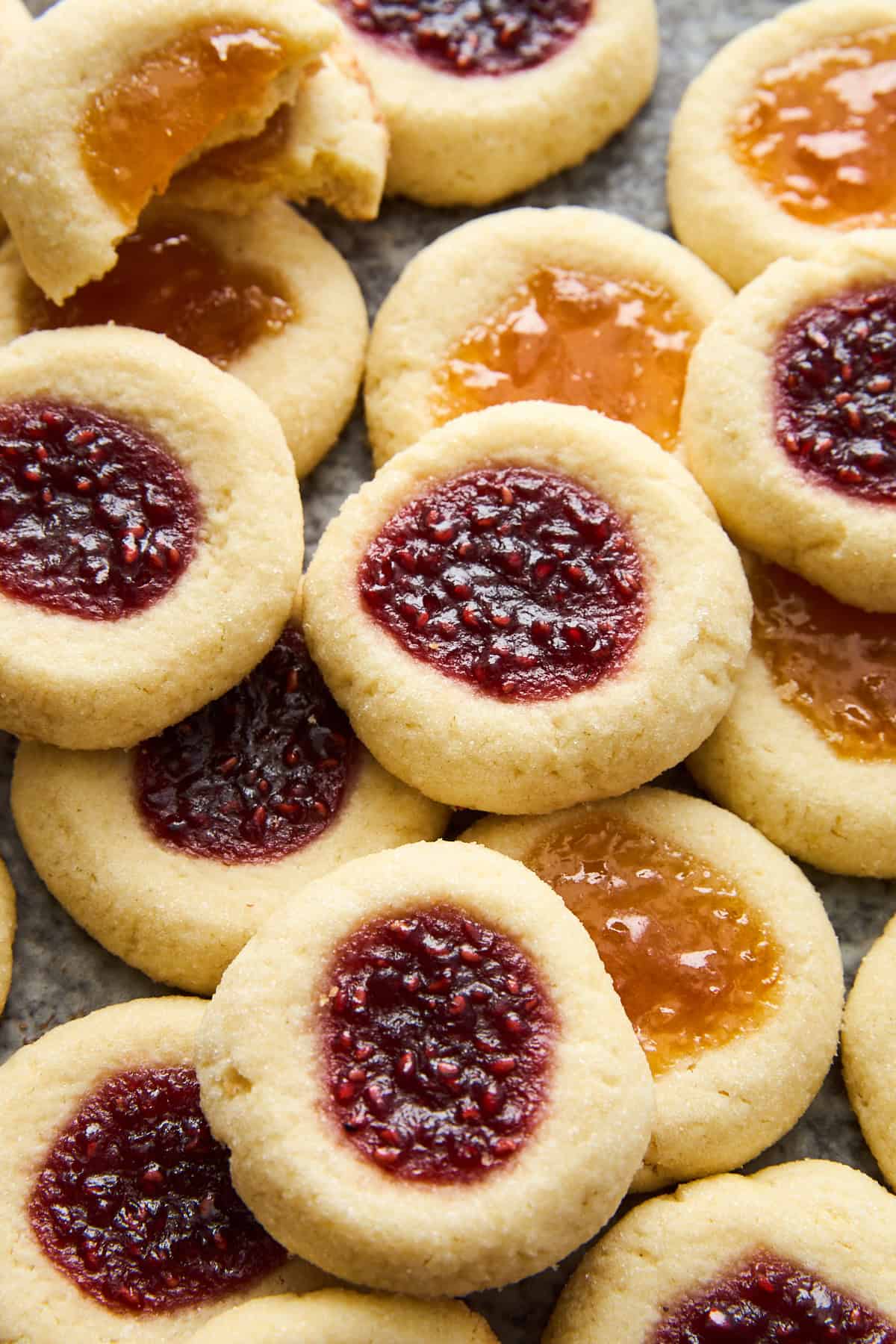
Recipes for Picture-Perfect Cookies
Want some super-simple cookie recipes that will have everyone asking for the recipe? Take a peek at some of our favorites!












How long should you leave your butter out before baking? Thanks
Hi Michelle,
Great question! It depends on what the temperature is in your kitchen, but we generally suggest about 30 minutes. What you want is for it to be soft and pliable and be sure it’s not melty or greasy — then it’s gone too far. Hope that helps!
xo,
Alia & Radwa
Where have these tips been all my life? I’m tempted to bake cookies this week after reading this post. Thanks for sharing your wisdom.
Hi Fatema,
We’re so happy this inspired some cookie baking at your house! Thank you so much for your feedback!
xo,
Alia & Radwa